Sainte-Anne
Church
Church
with the sweat of their brow."
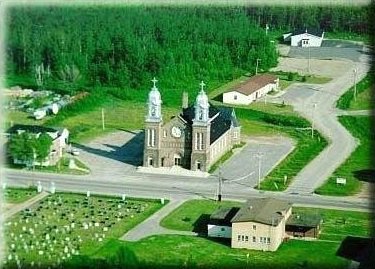
You would search in vain for Baie-Sainte-Anne on a map of New Brunswick; this almost entirely French-speaking parish of 250 families is not there. So where is Baie-Sainte-Anne? When you are in Chatham, take the road that runs along the south bank of the Miramichi River and head to its mouth, passing through Loggieville and Bay-du-Vin (the old missionaries' Baie des Ouines). Twelve miles beyond Bay-du-Vin, you will find Baie-Sainte-Anne.
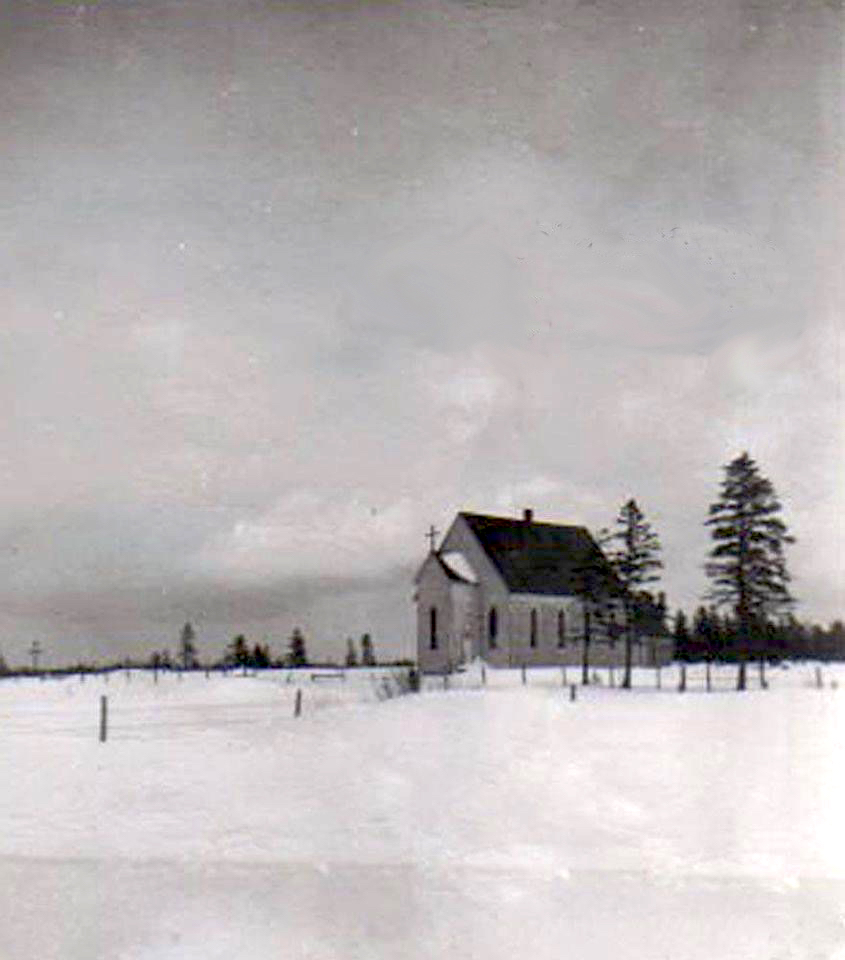
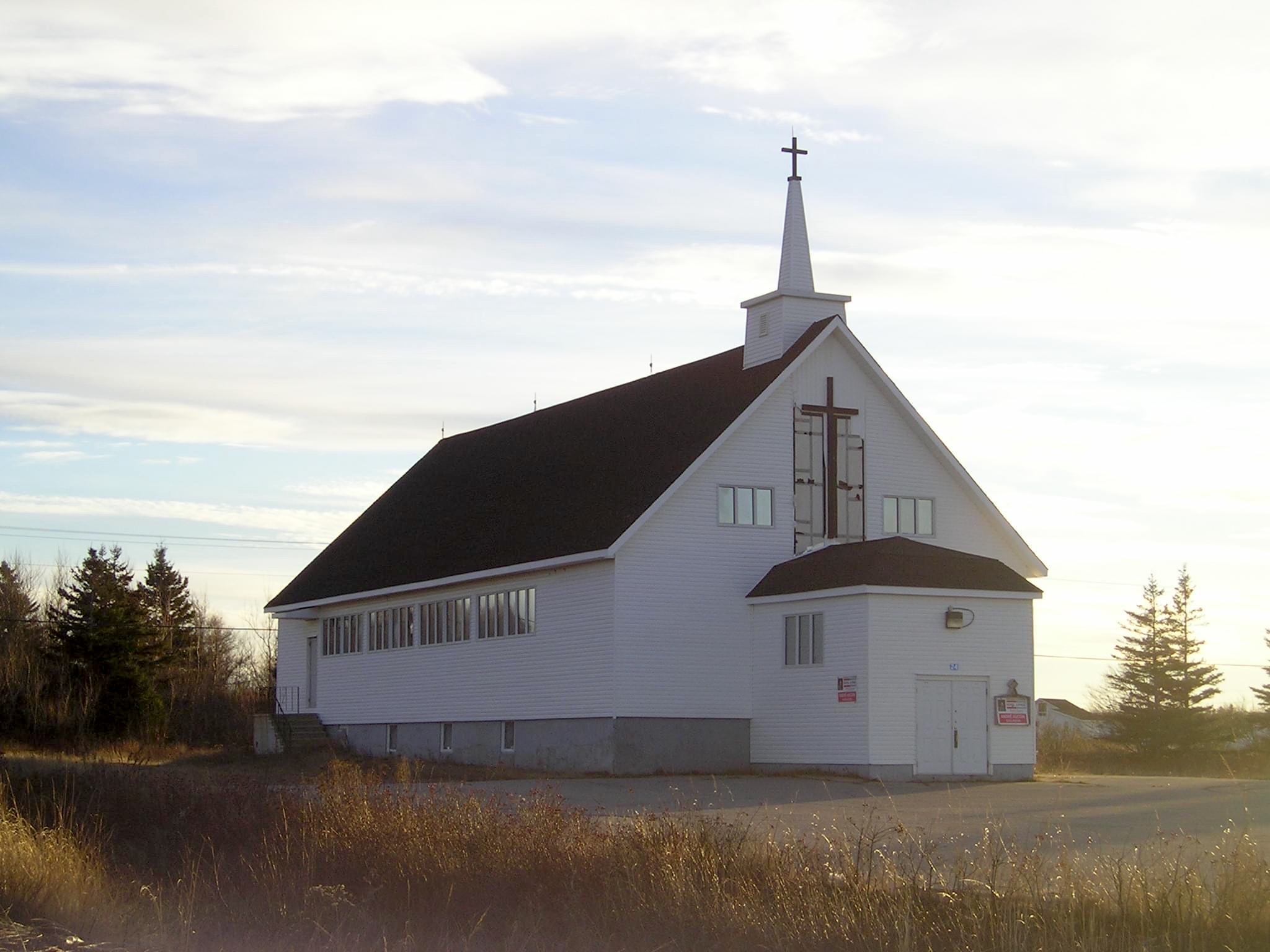
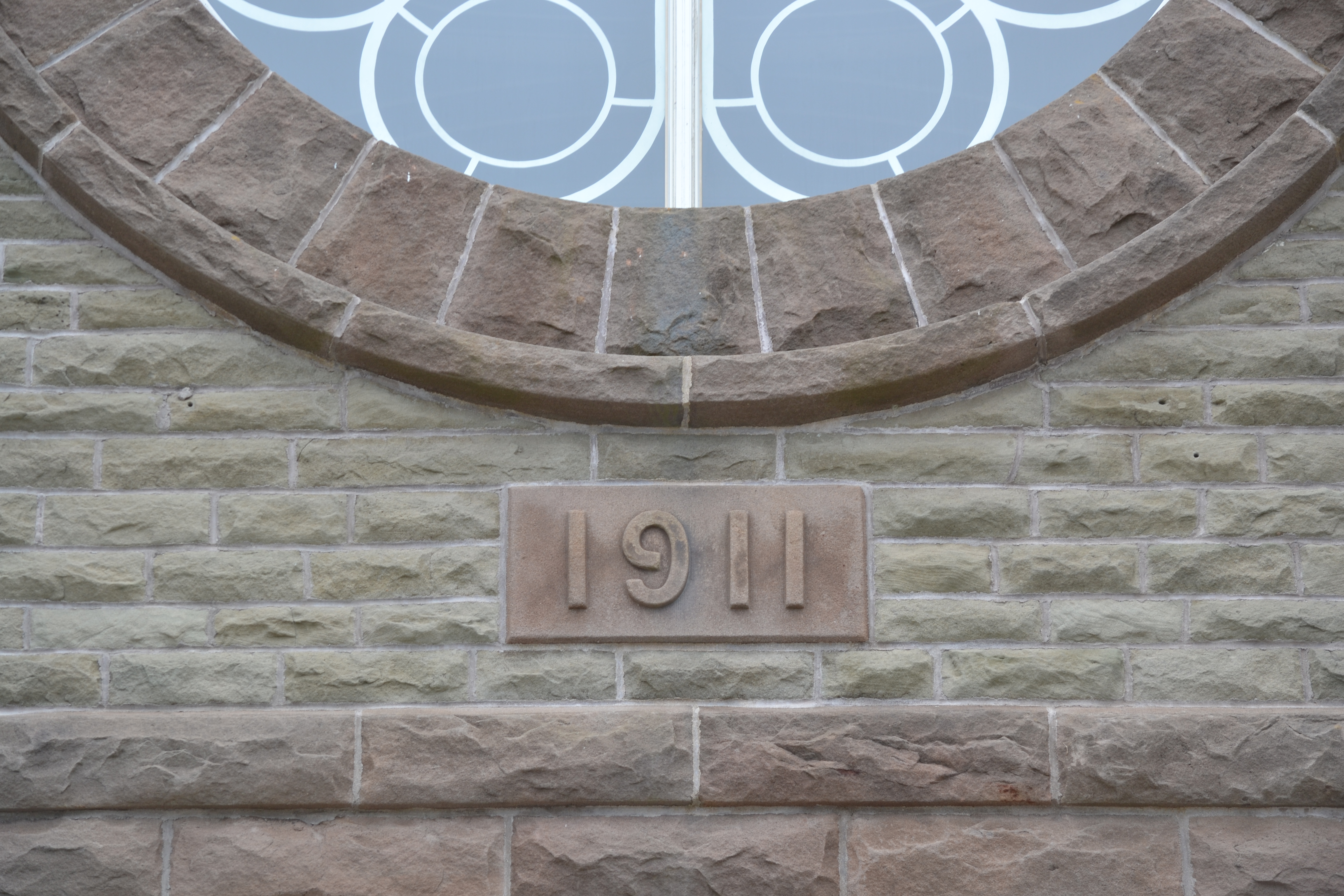
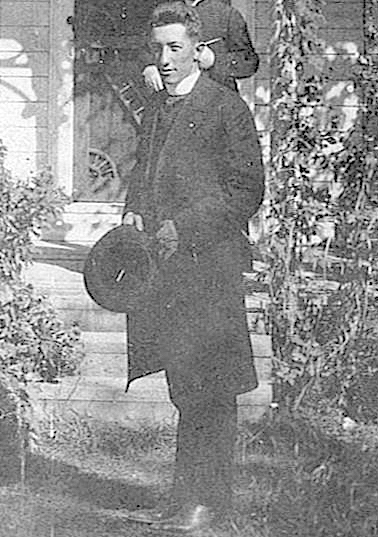
Baie-Sainte-Anne is a relatively recent parish. It was formerly part of the Stella Maris parish of Escuminac (the “Choumnaque” point of the cod fishermen). Since the church in Escuminac, built in 1853, was located at the eastern end of a parish 13 miles long, in 1910, Father N.-P. Savoie, then parish priest of Escuminac, bought a plot of land from Athanase Martin for $150.00 and, in the same year, laid the foundations of the church, which he dedicated to St. Anne.
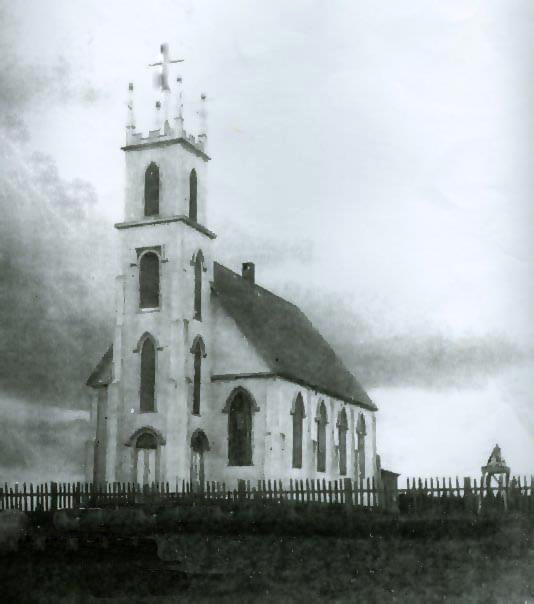
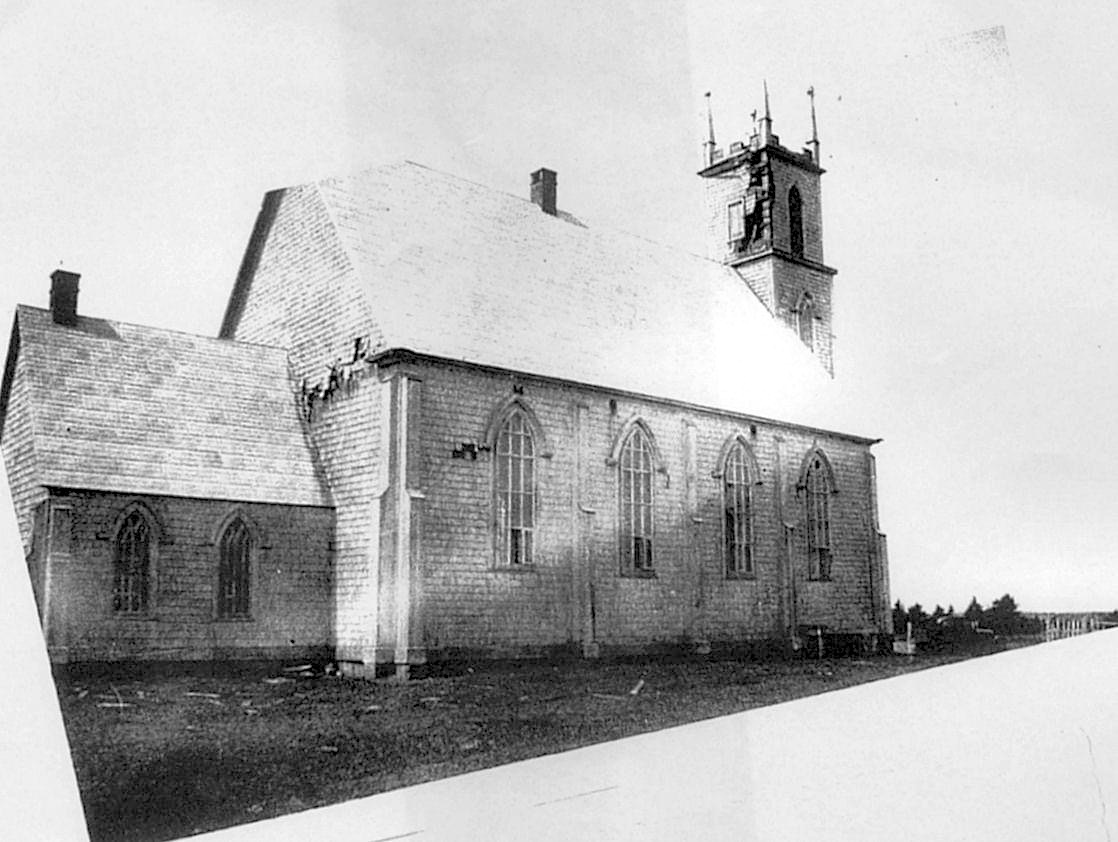
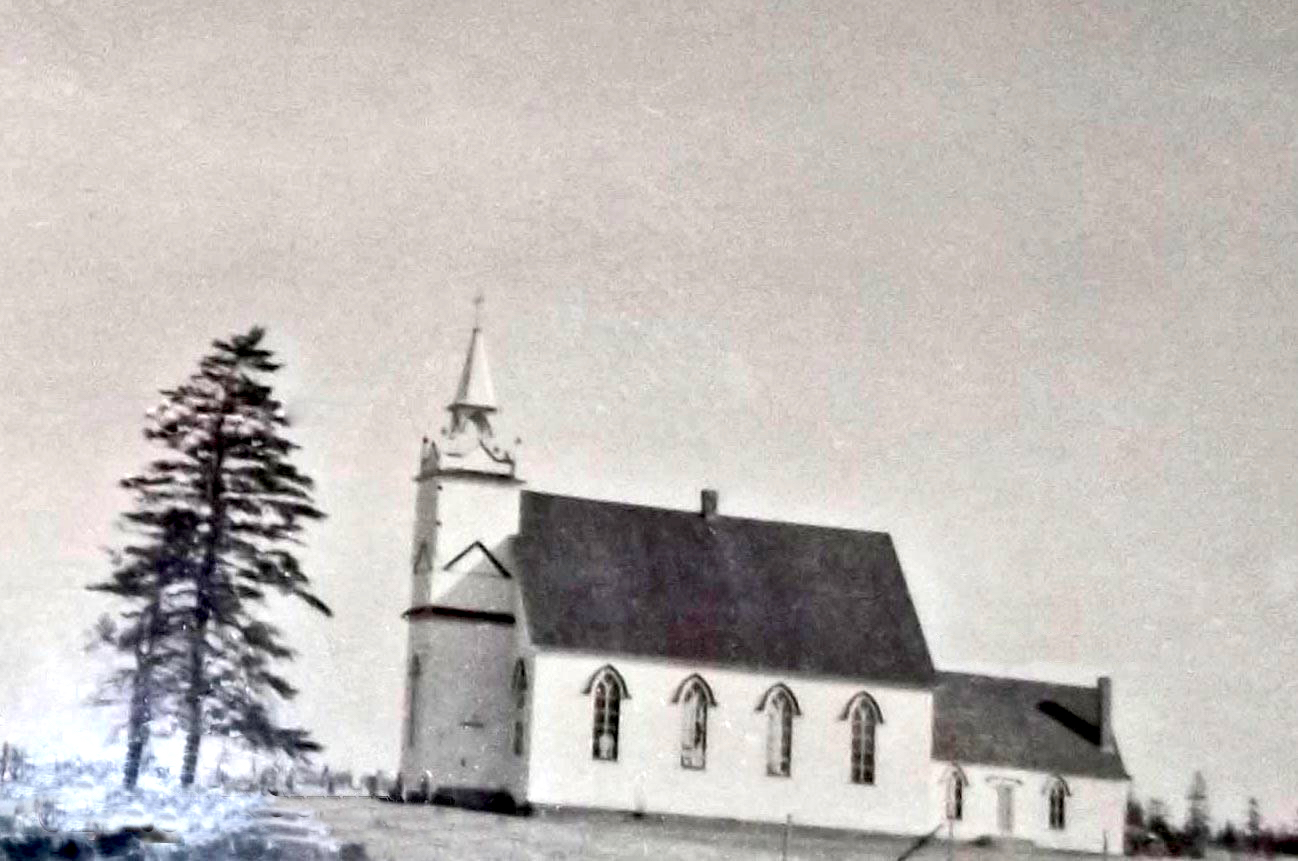
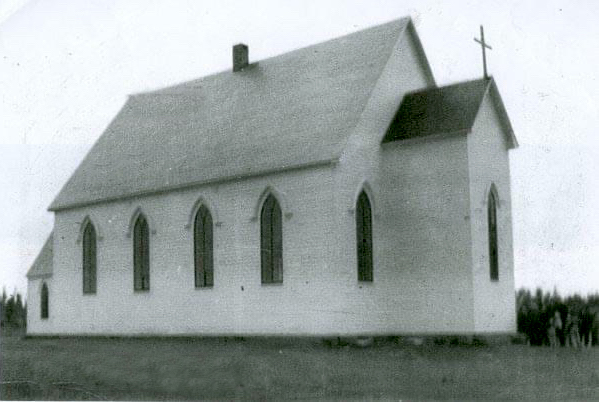
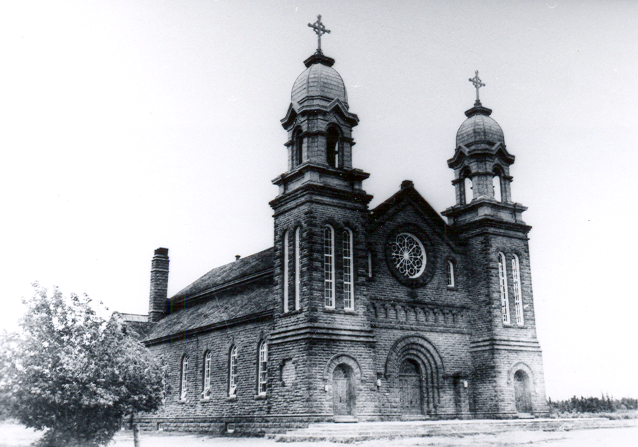
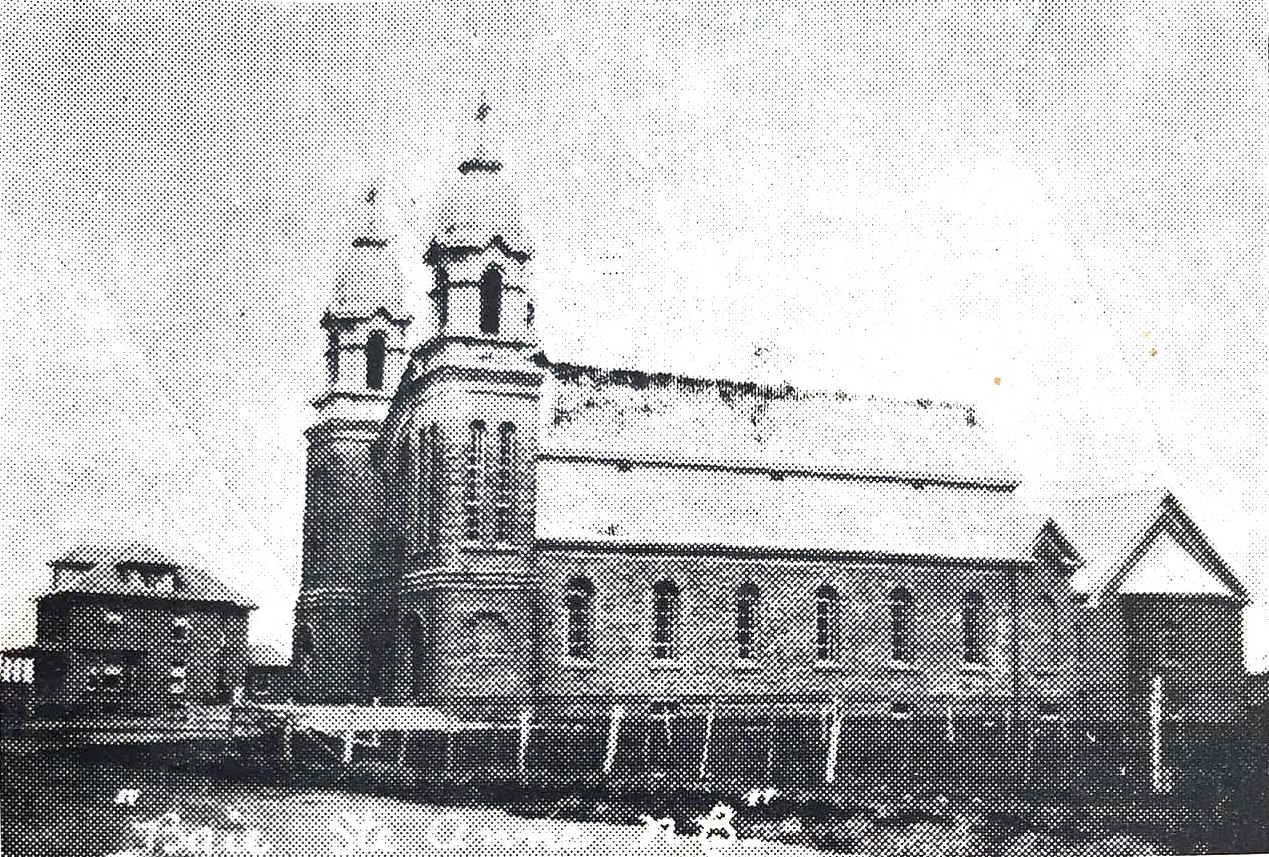
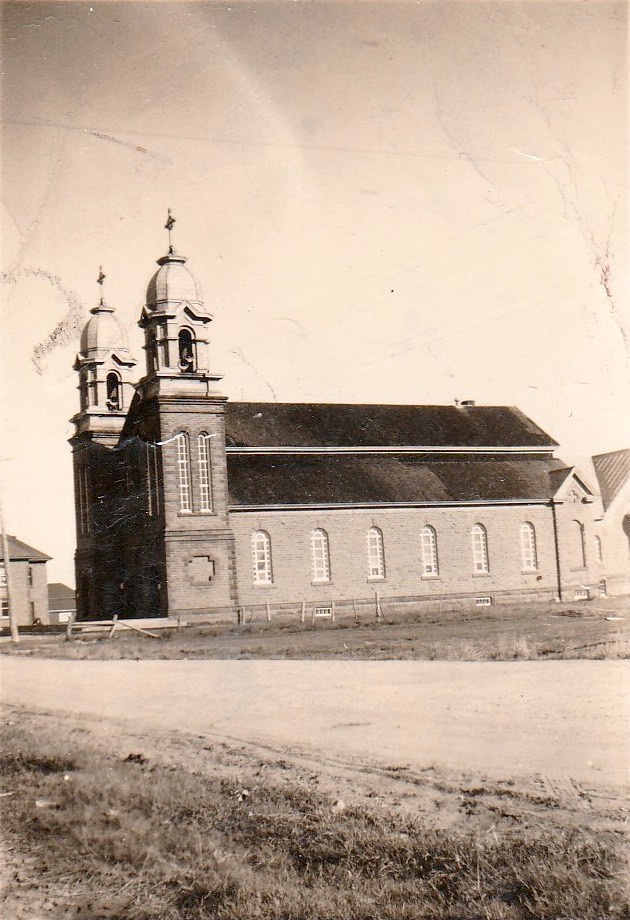
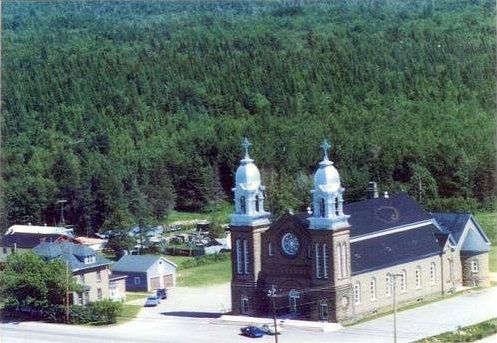
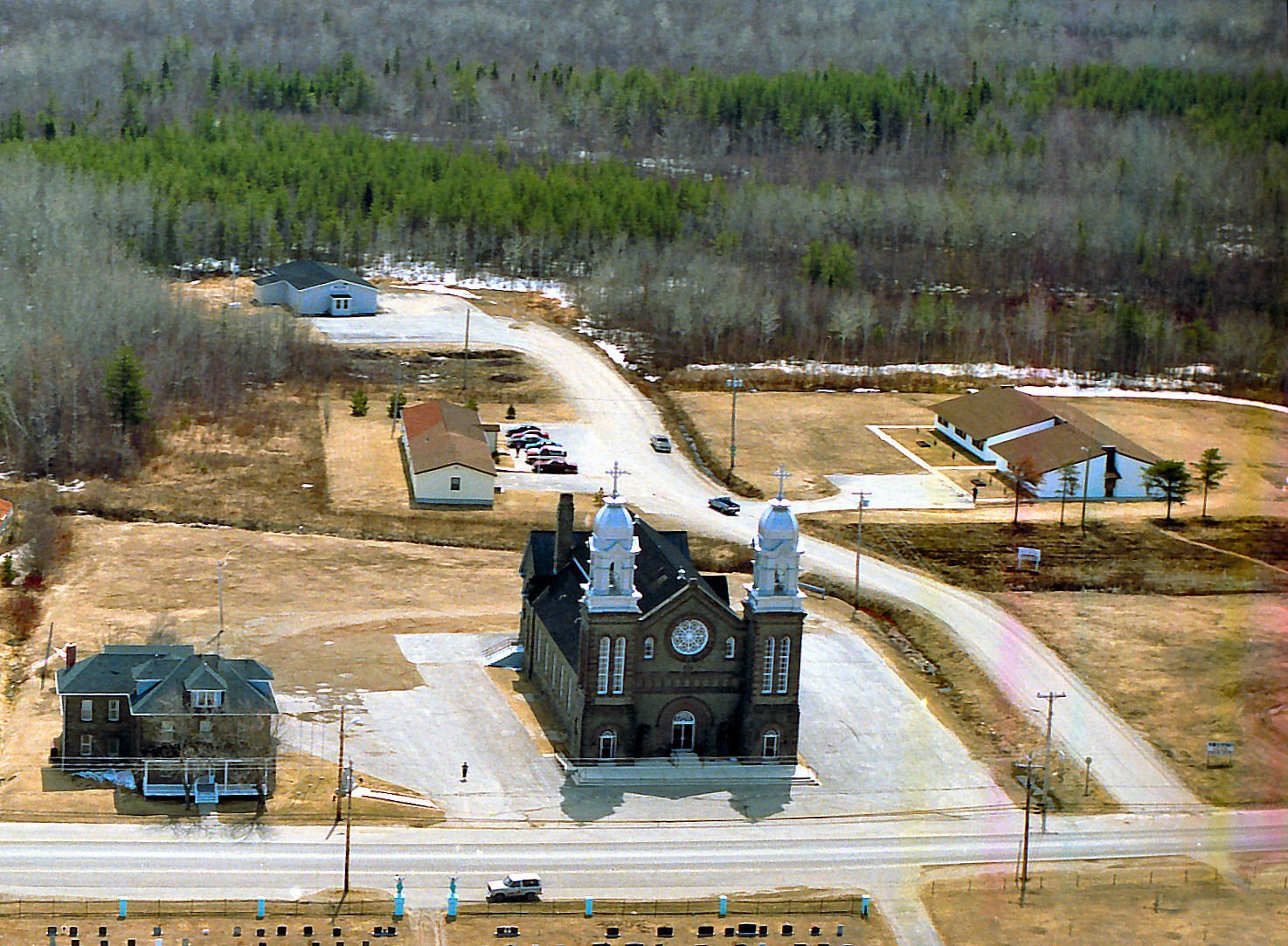
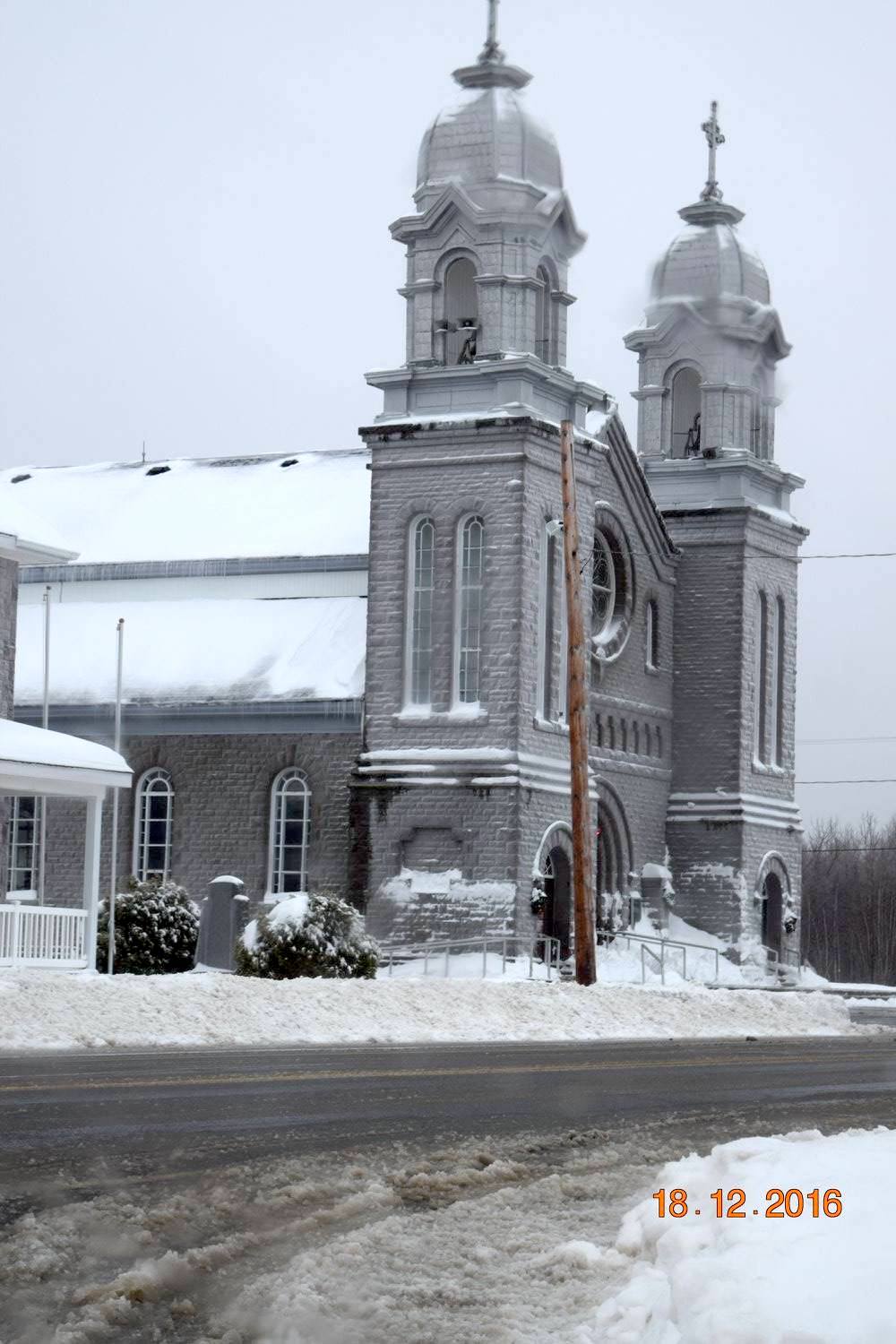
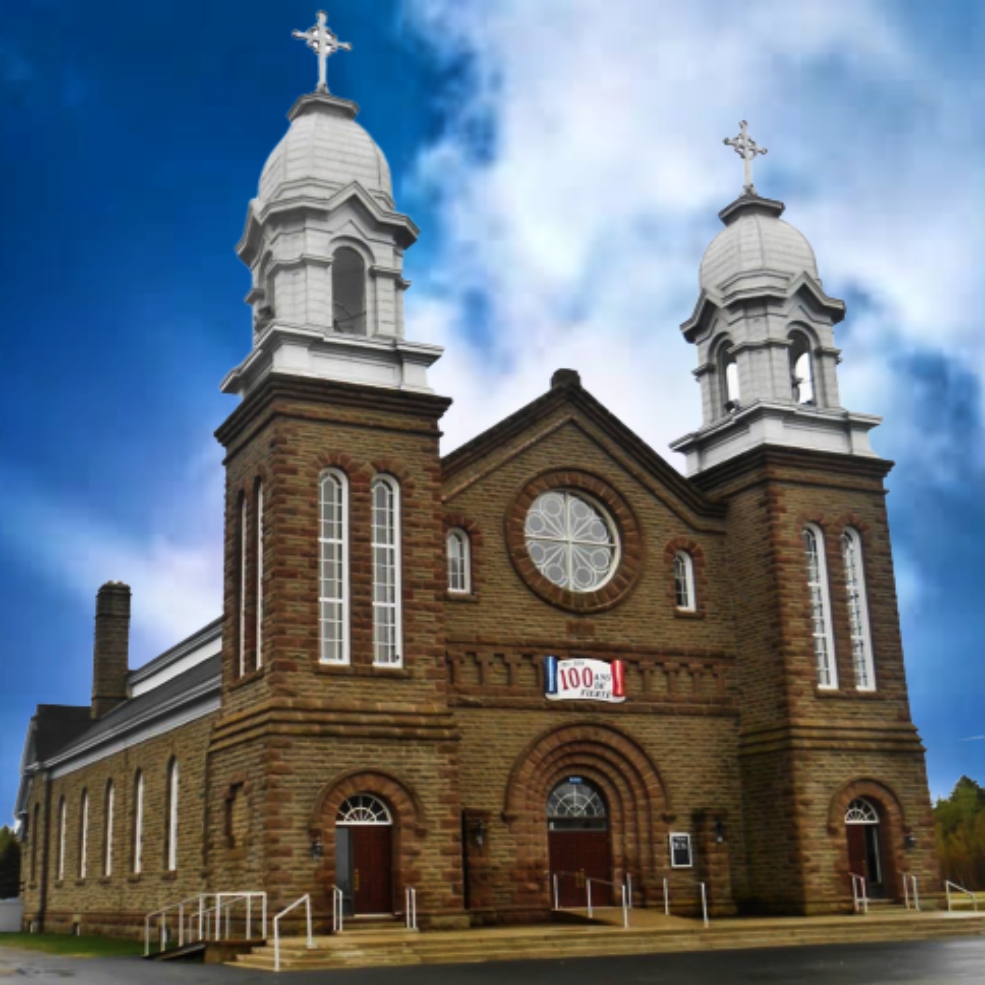
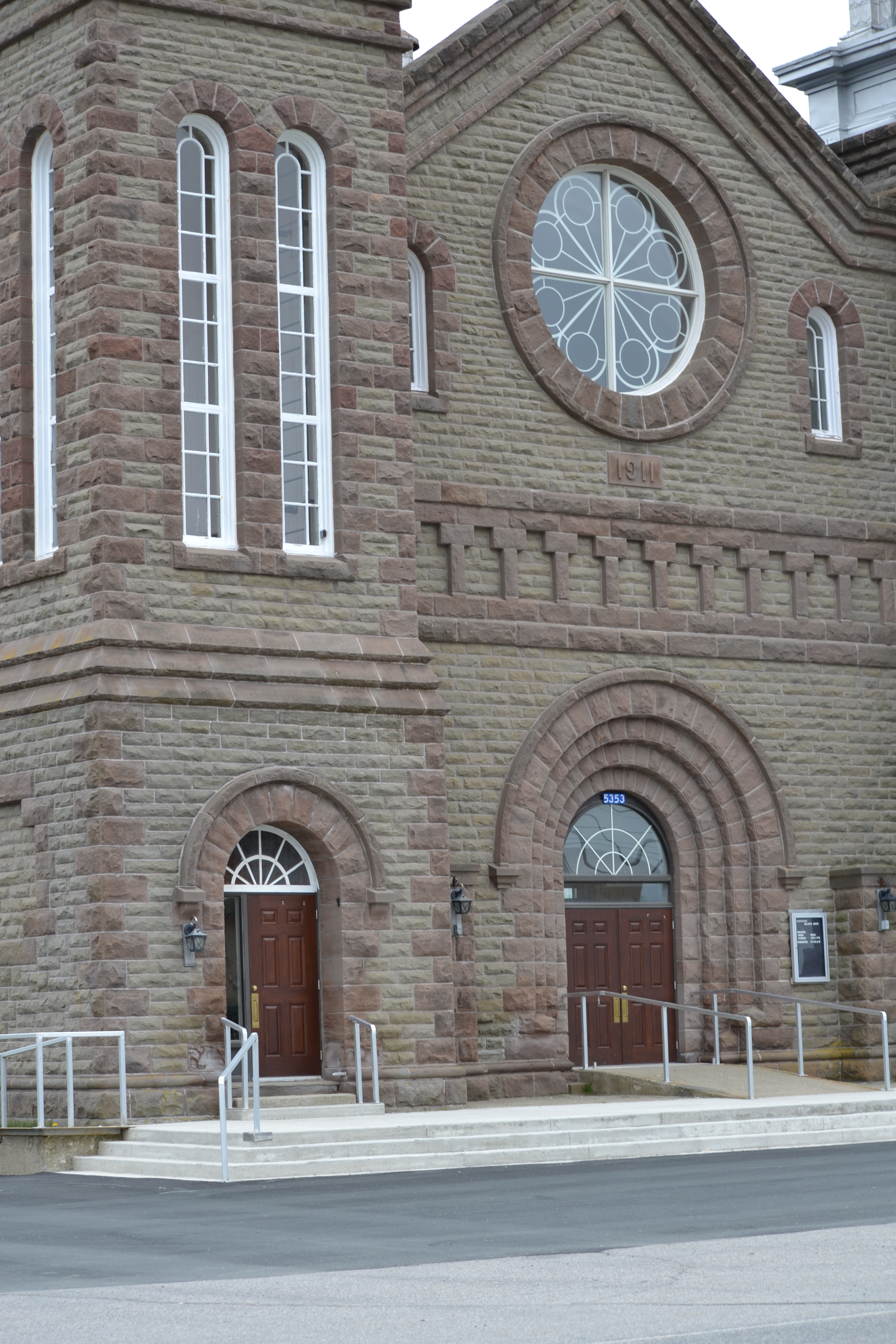
From 1910 to 1915, Father Savoie commuted between Escuminac and Baie-Sainte-Anne. It was around this time that he settled permanently near the new church. The exterior of the church and sacristy was completed around 1917. The whole structure is an imposing stone building with two towers and bell towers. On August 17, 1919, Father Savoie purchased the bell from the Trappist monastery in Tracadie, Nova Scotia. In 1920, Father G. Paquin, who succeeded Father Savoie, completed the interior of the sacristy and built the stone presbytery. In 1929, Father Albert Poirier had the interior of the church finished. On July 27, 1930, His Excellency Bishop P.-A. Chiasson blessed the new church. On this occasion, Bishop L.-J.-A. Melanson, then Vicar General of the Diocese of Chatham and now Archbishop of Moncton, delivered the sermon.
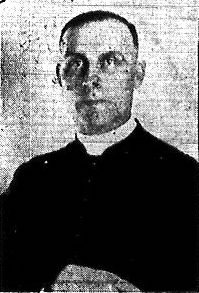
L'abbé Nazaire P. Savoie
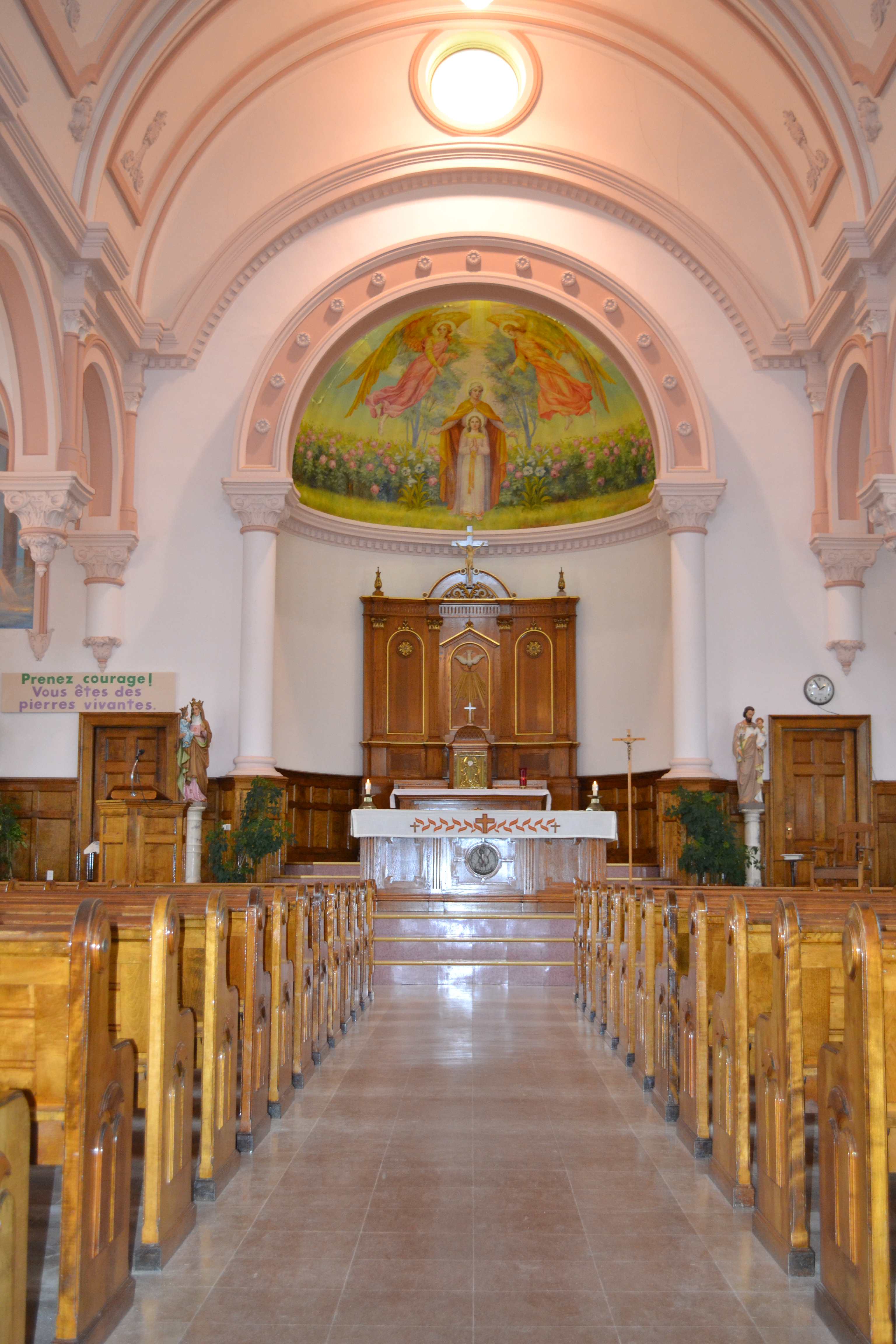
The church in Baie-Sainte-Anne is undoubtedly one of the most beautiful in Northumberland County. Father Arthur Gallien is the current parish priest and Father J.-P. Albert is the vicar. Baie-Sainte-Anne has a population of 1,500. Fishing (lobster, salmon, oysters, and smelt) is the parish's main industry. The archives of The Baie contain the old registers of former missionaries: Bédard, Parent, Gagnon, Morissette, Cooke, etc., begun on January 22, 1801. These registers mention the pastoral visit of Bishop Joseph-Octave Plessis to Baie des Vents on June 19, 1812.
Source: L'Évangéline, 1937-02-25, p. 42.
Baie-Sainte-Anne is a relatively recent parish. It was formerly part of the Stella Maris parish of Escuminac (the “Choumnaque” point of the cod fishermen). Since the church in Escuminac, built in 1853, was located at the eastern end of a parish 13 miles long, in 1910, Father N.-P. Savoie, then parish priest of Escuminac, bought a plot of land from Athanase Martin for $150.00 and, in the same year, laid the foundations of the church, which he dedicated to St. Anne.
L'abbé Nazaire P. Savoie
The church in Baie-Sainte-Anne is undoubtedly one of the most beautiful in Northumberland County. Father Arthur Gallien is the current parish priest and Father J.-P. Albert is the vicar. Baie-Sainte-Anne has a population of 1,500. Fishing (lobster, salmon, oysters, and smelt) is the parish's main industry. The archives of The Baie contain the old registers of former missionaries: Bédard, Parent, Gagnon, Morissette, Cooke, etc., begun on January 22, 1801. These registers mention the pastoral visit of Bishop Joseph-Octave Plessis to Baie des Vents on June 19, 1812.
Source: L'Évangéline, 1937-02-25, p. 42.
(October 1957)
CULTURAL DEVELOPMENT PROJECT
by Gilles Manuel and the students (2013)
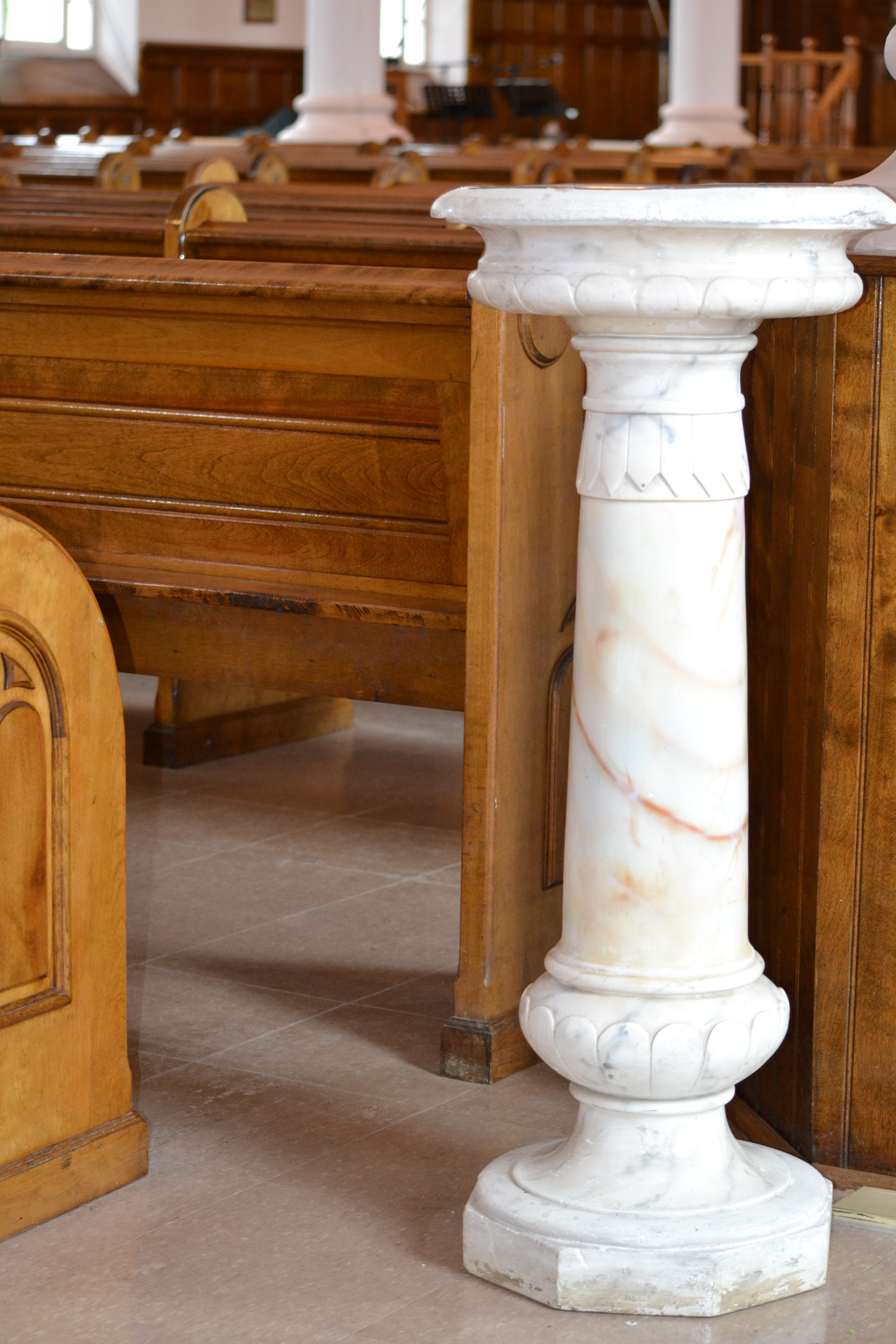
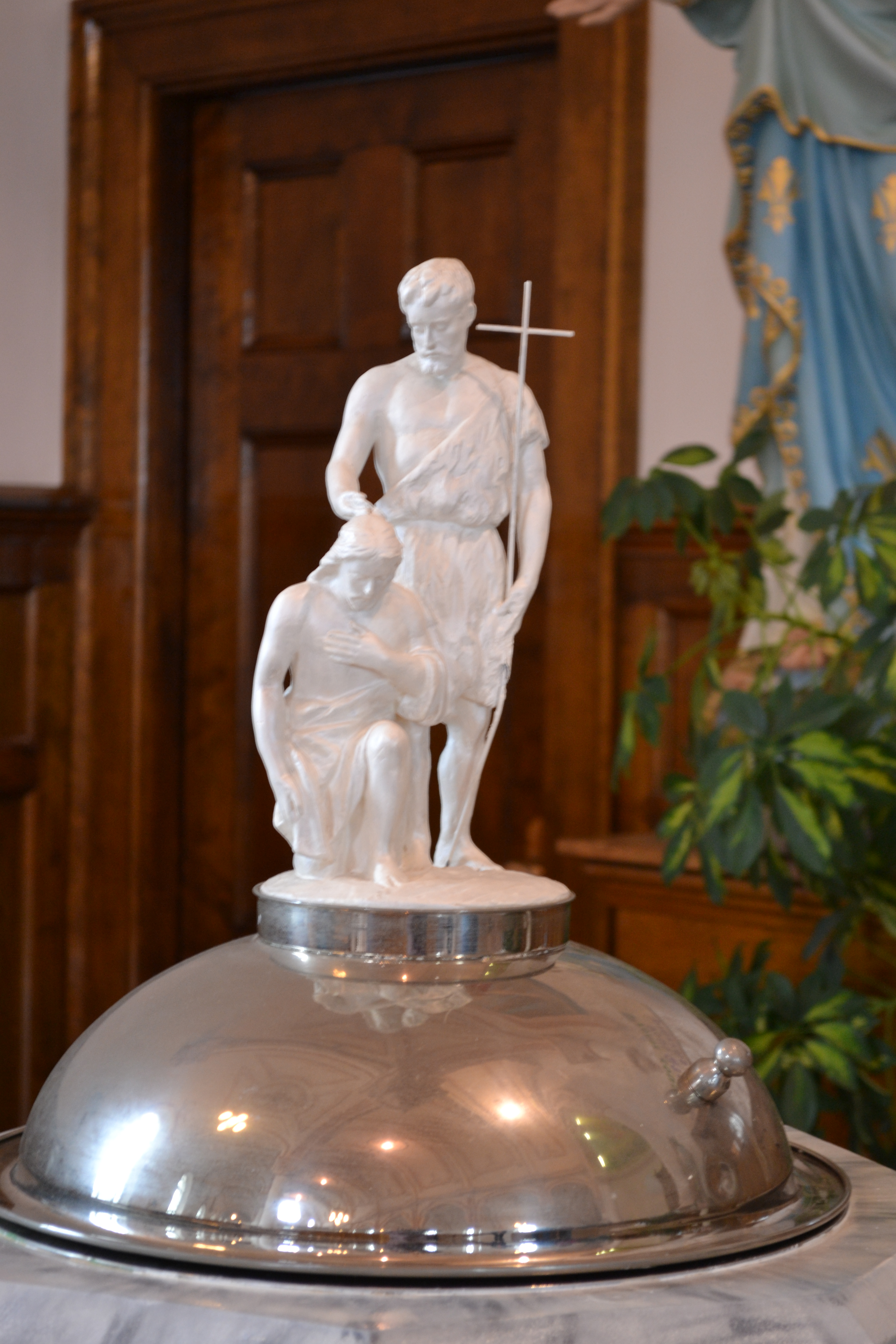
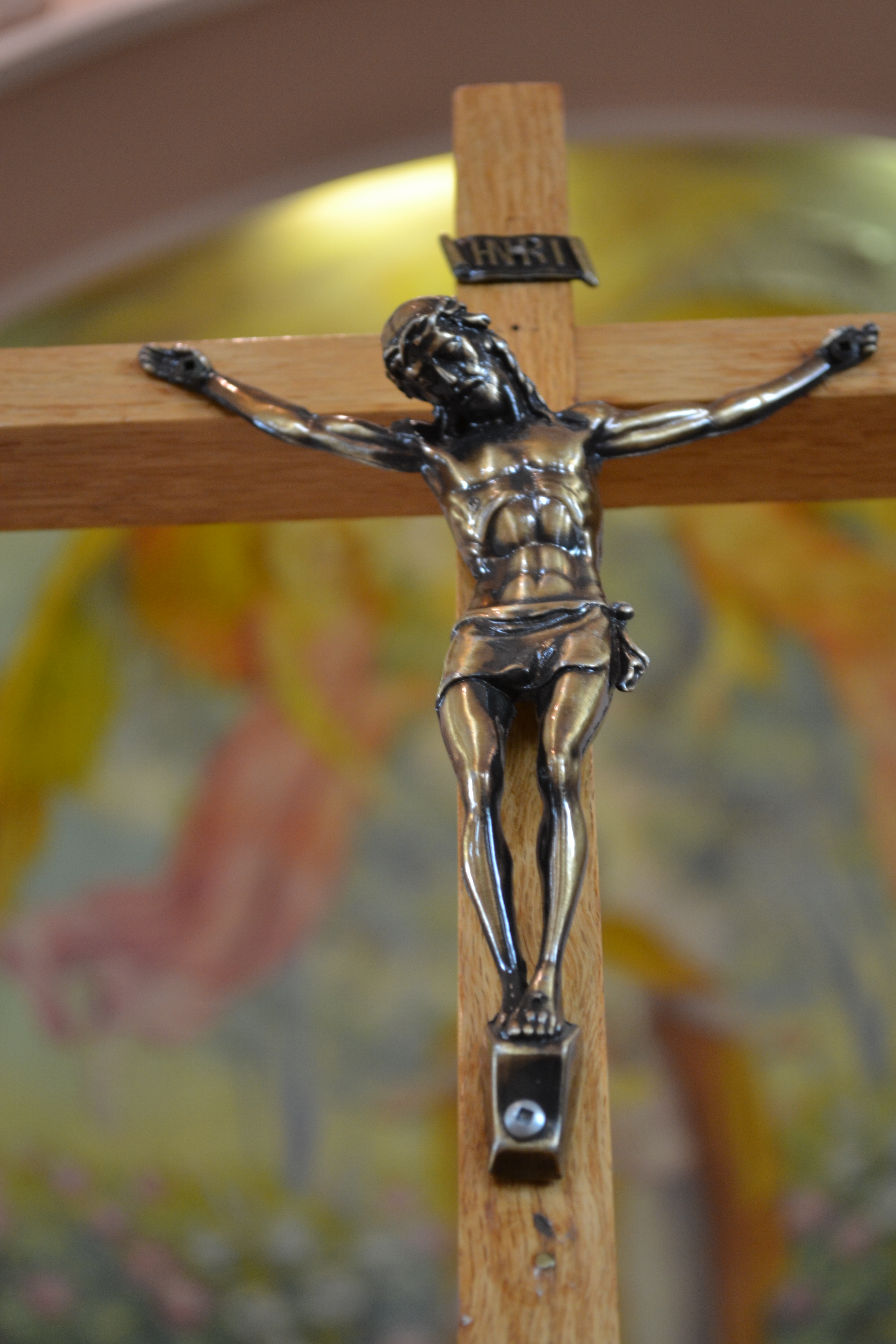
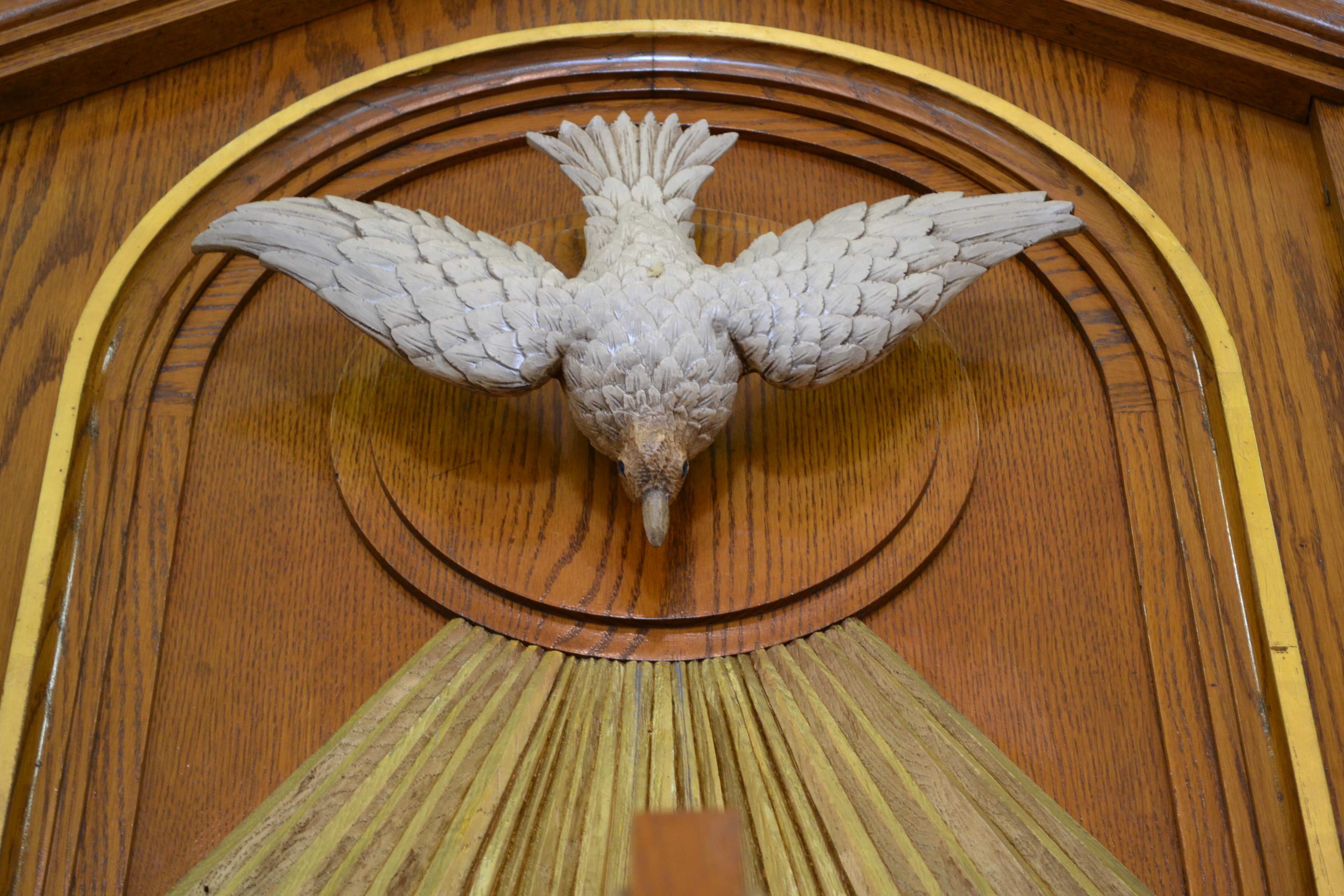
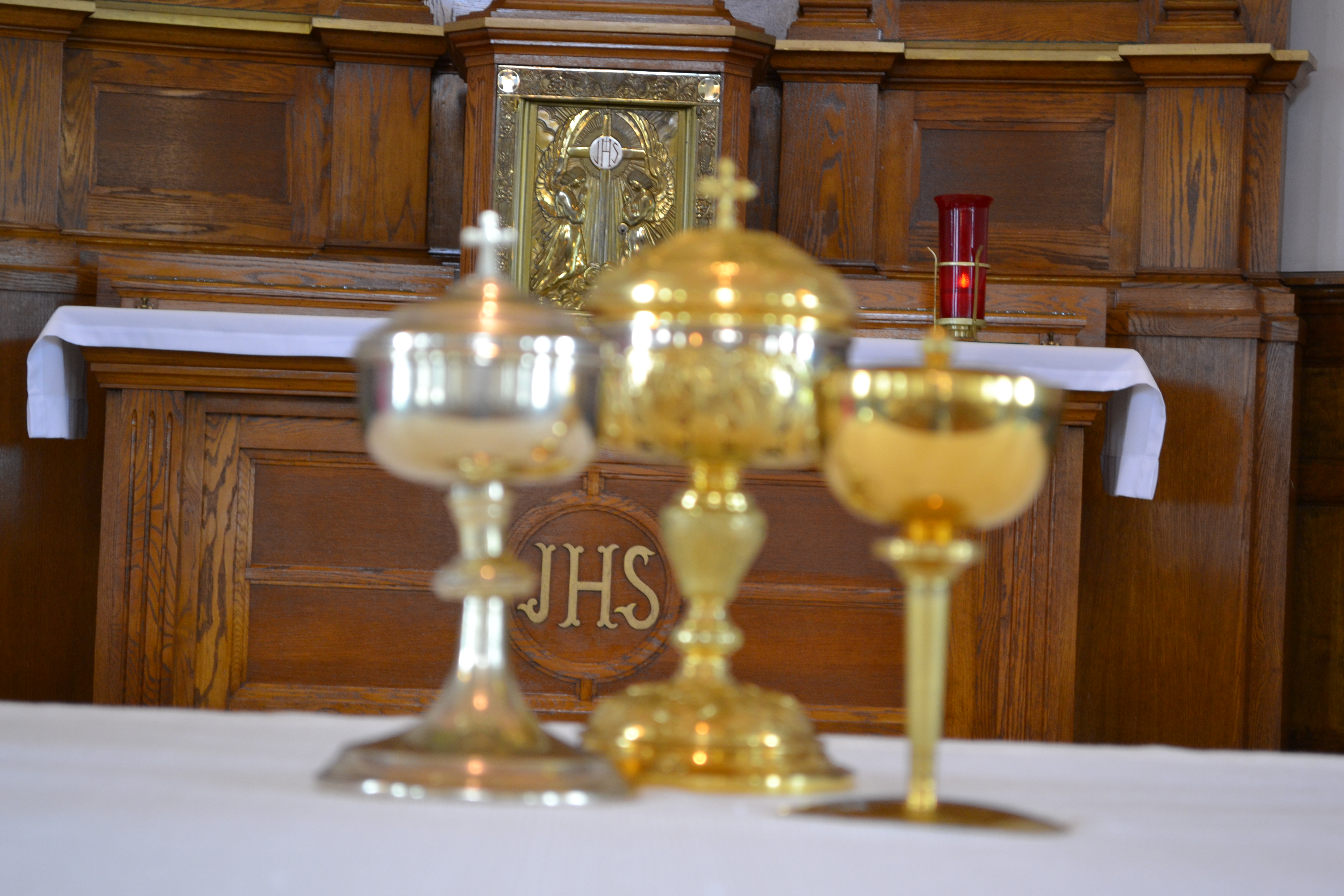
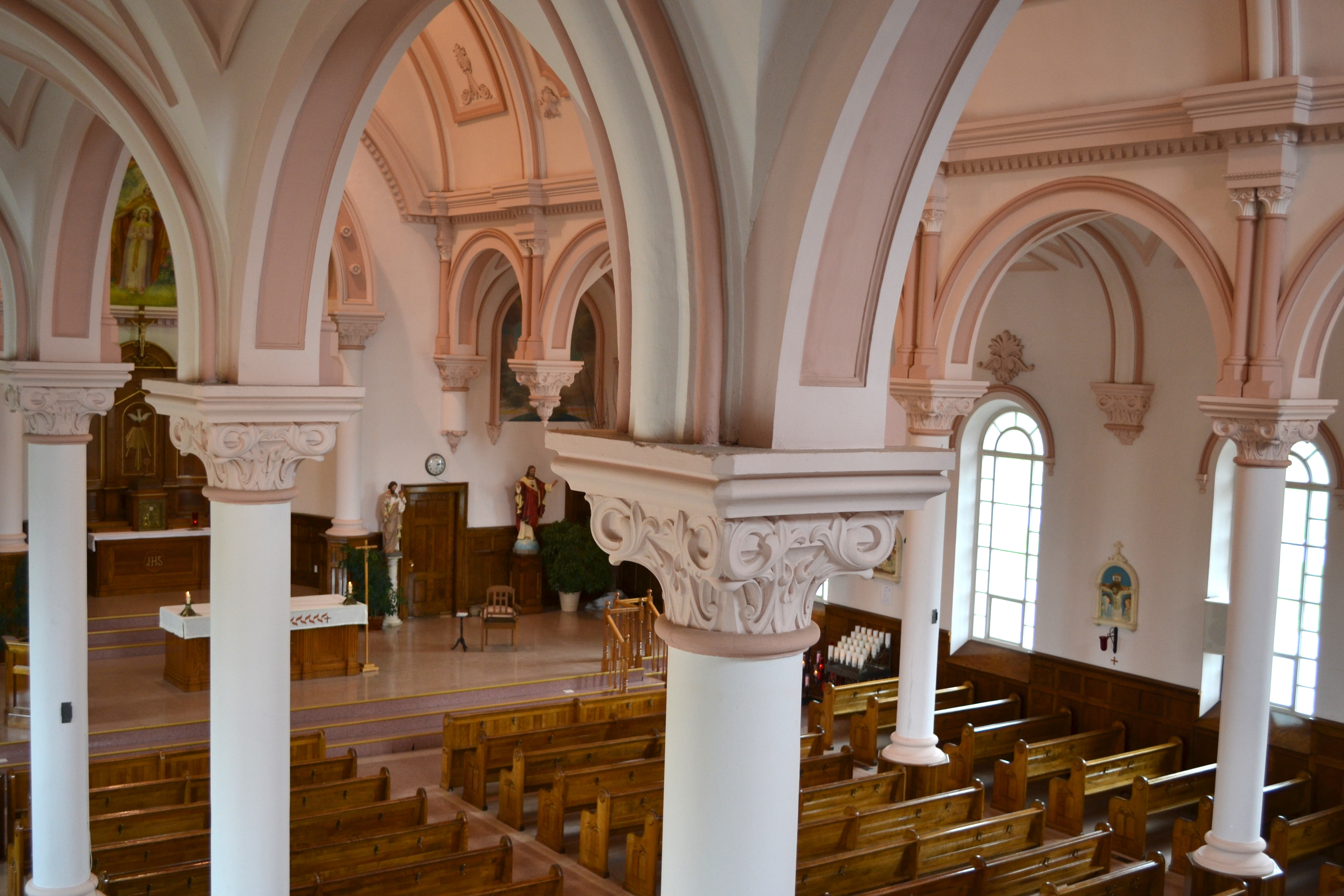
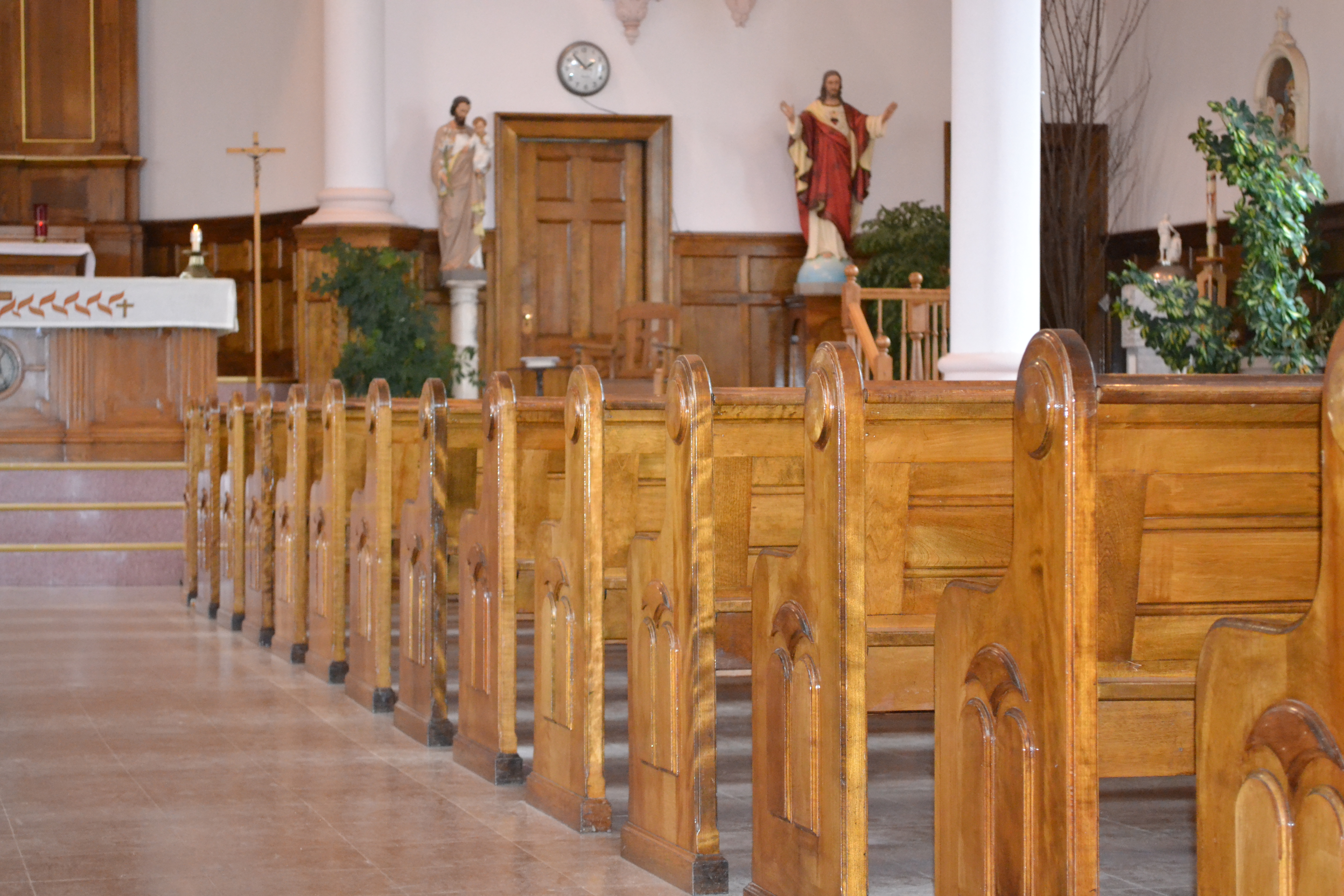
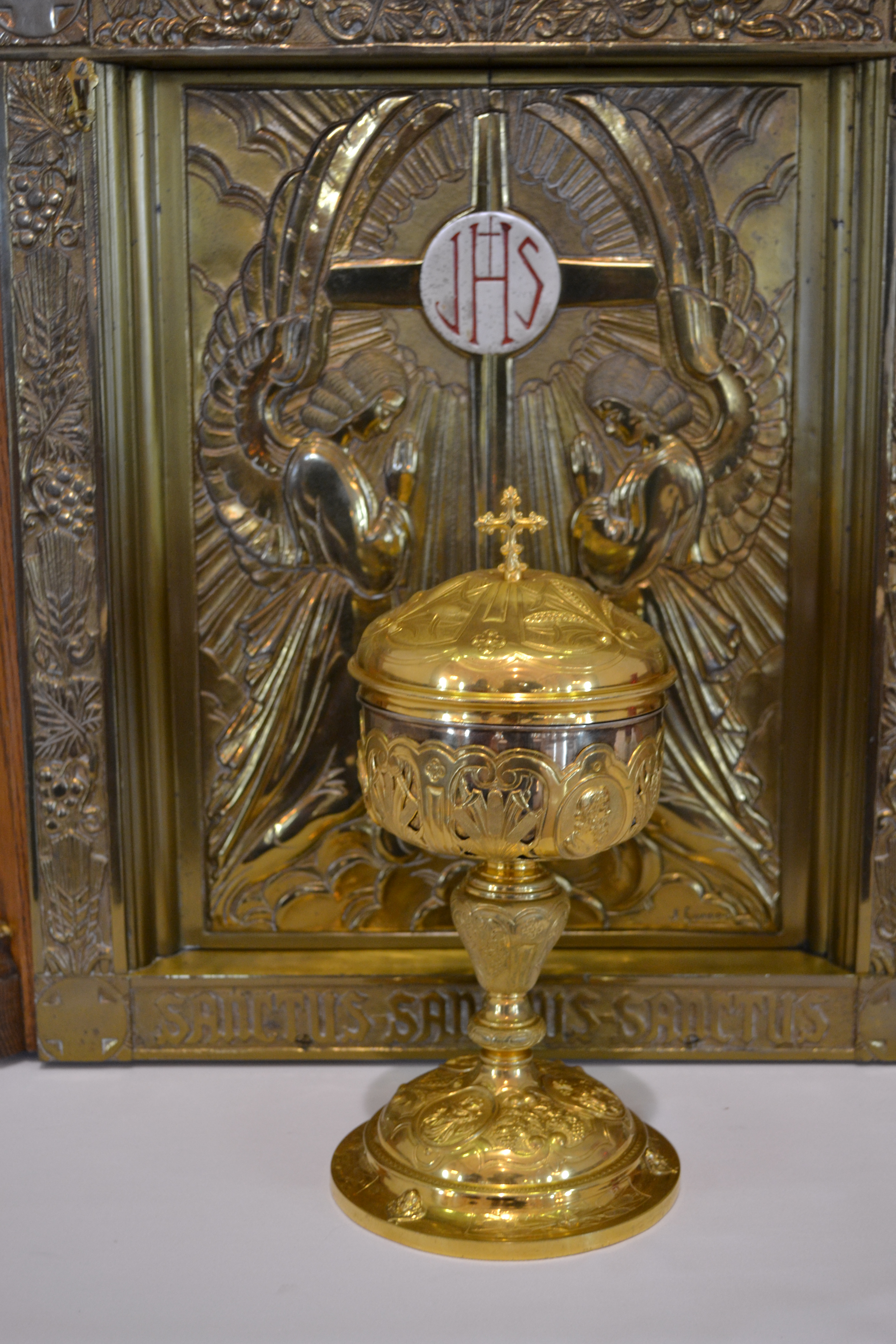
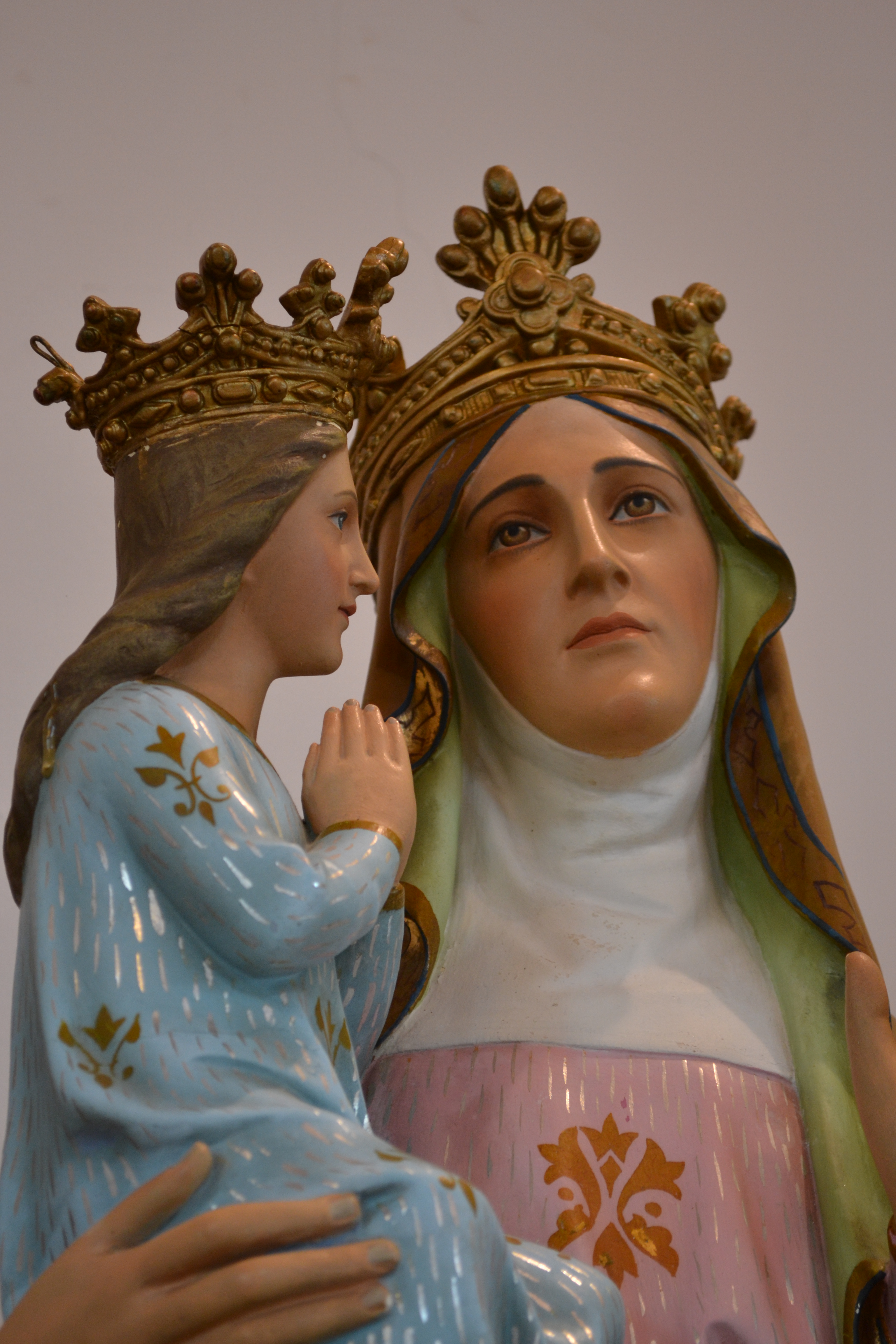
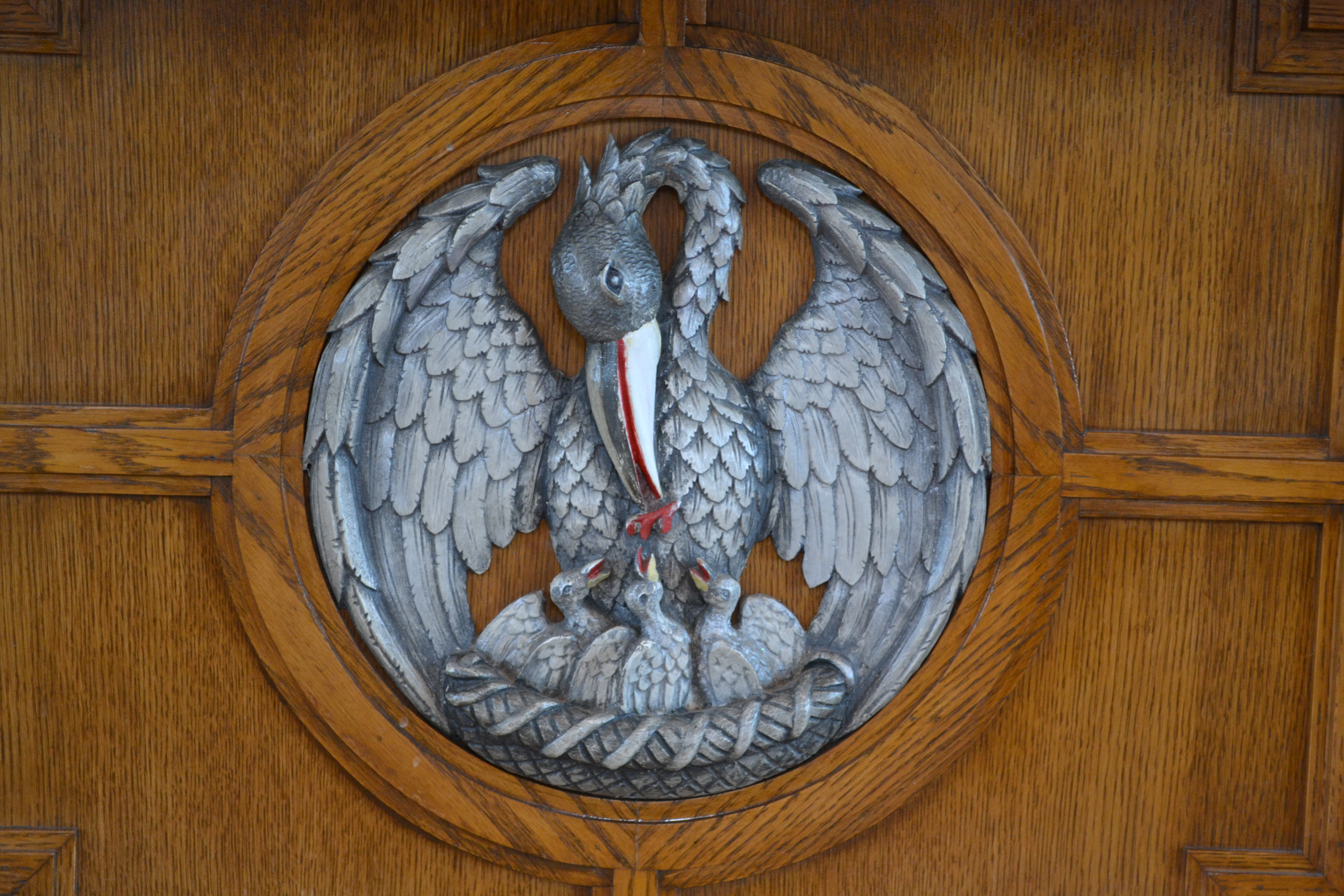
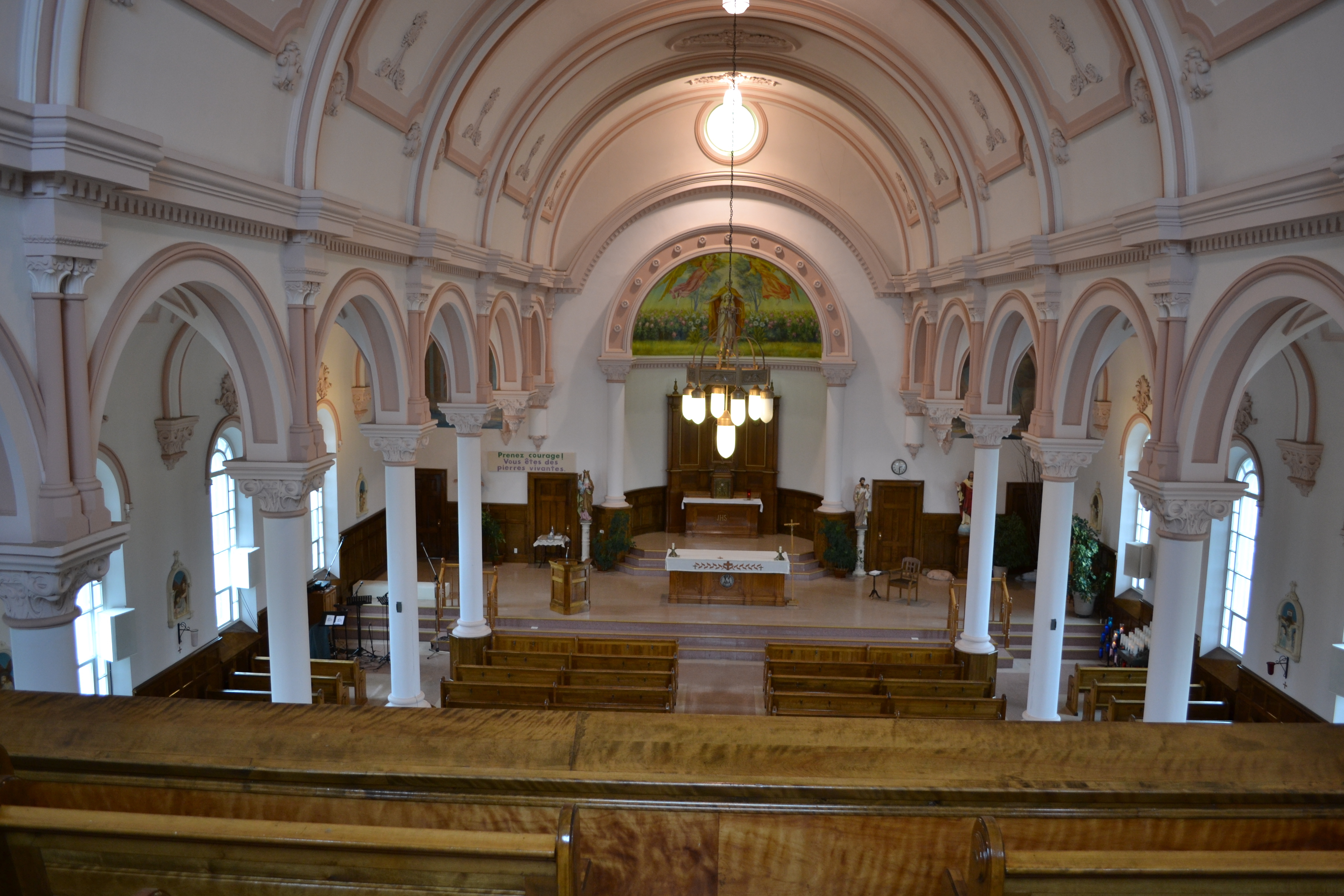
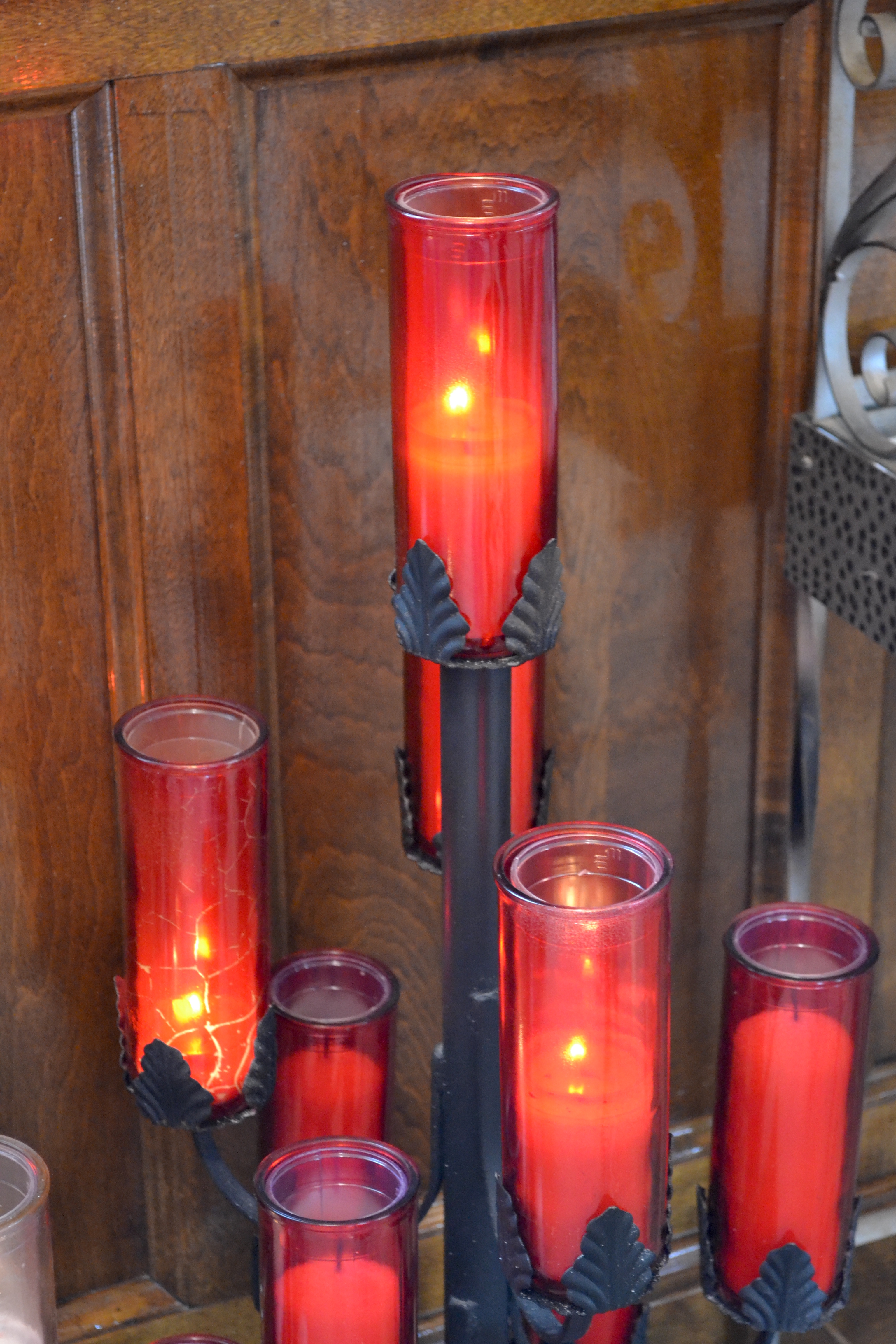
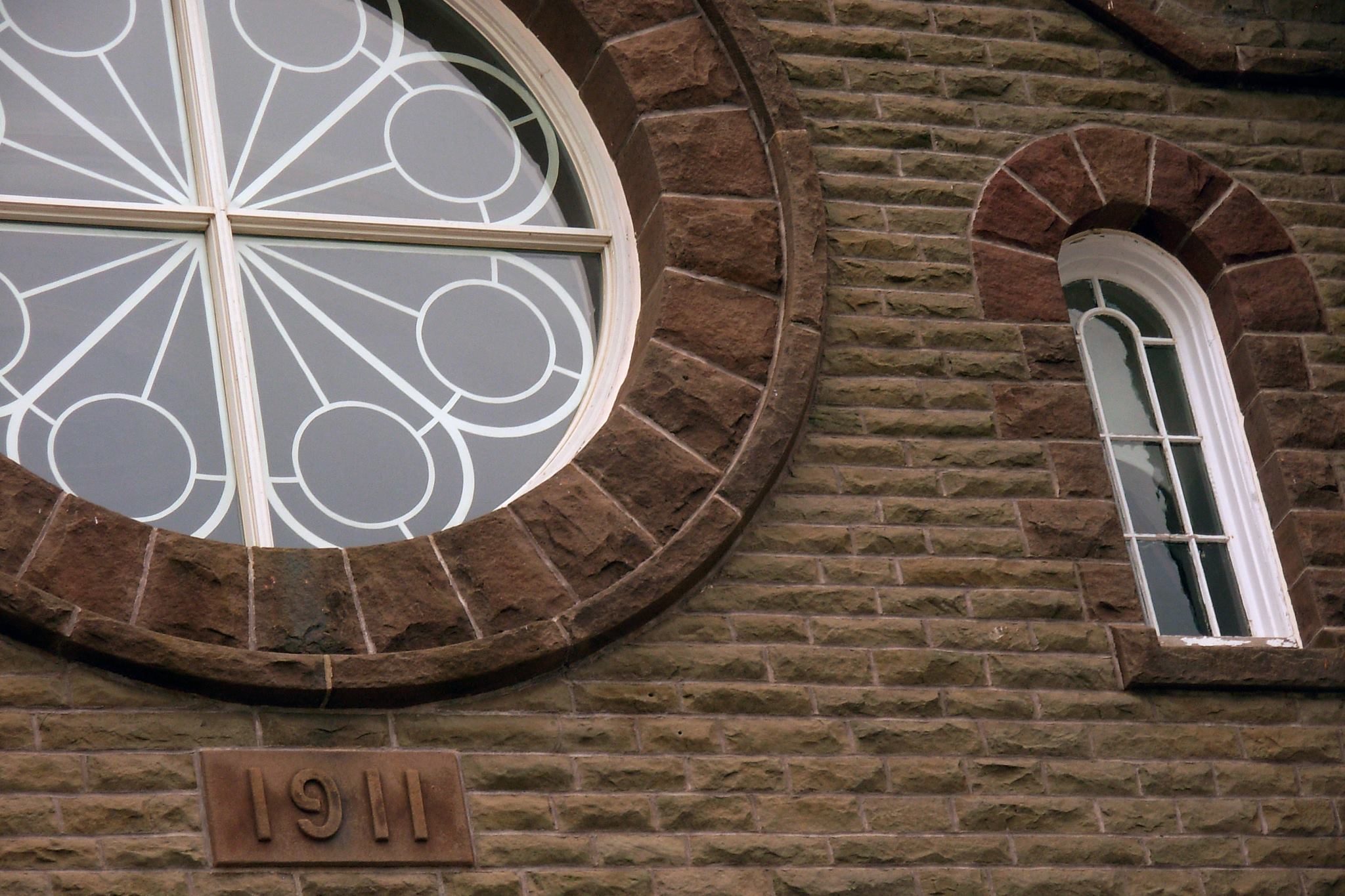
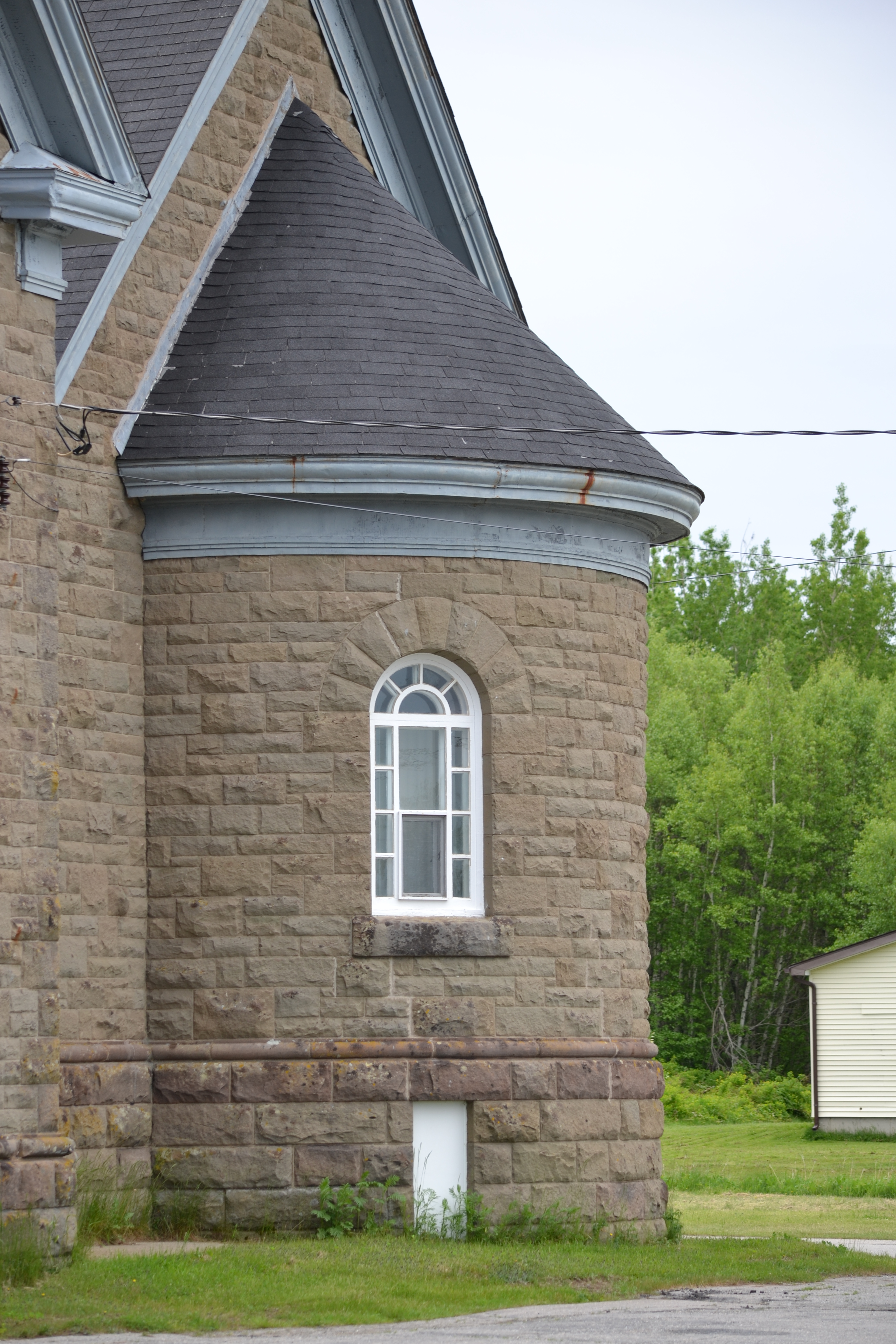
The stones used to build our church came from quarries near Joe's place in Lament Martin and Joe's place in Anselme Mazerolle. People extracted huge stones from the quarry, which were then transported to the site by horse. This work was easier in winter, as the frozen river could be used as a transportation route. The priest hired foreign masons (Babin and Landry) to cut the stone. Here is the result.
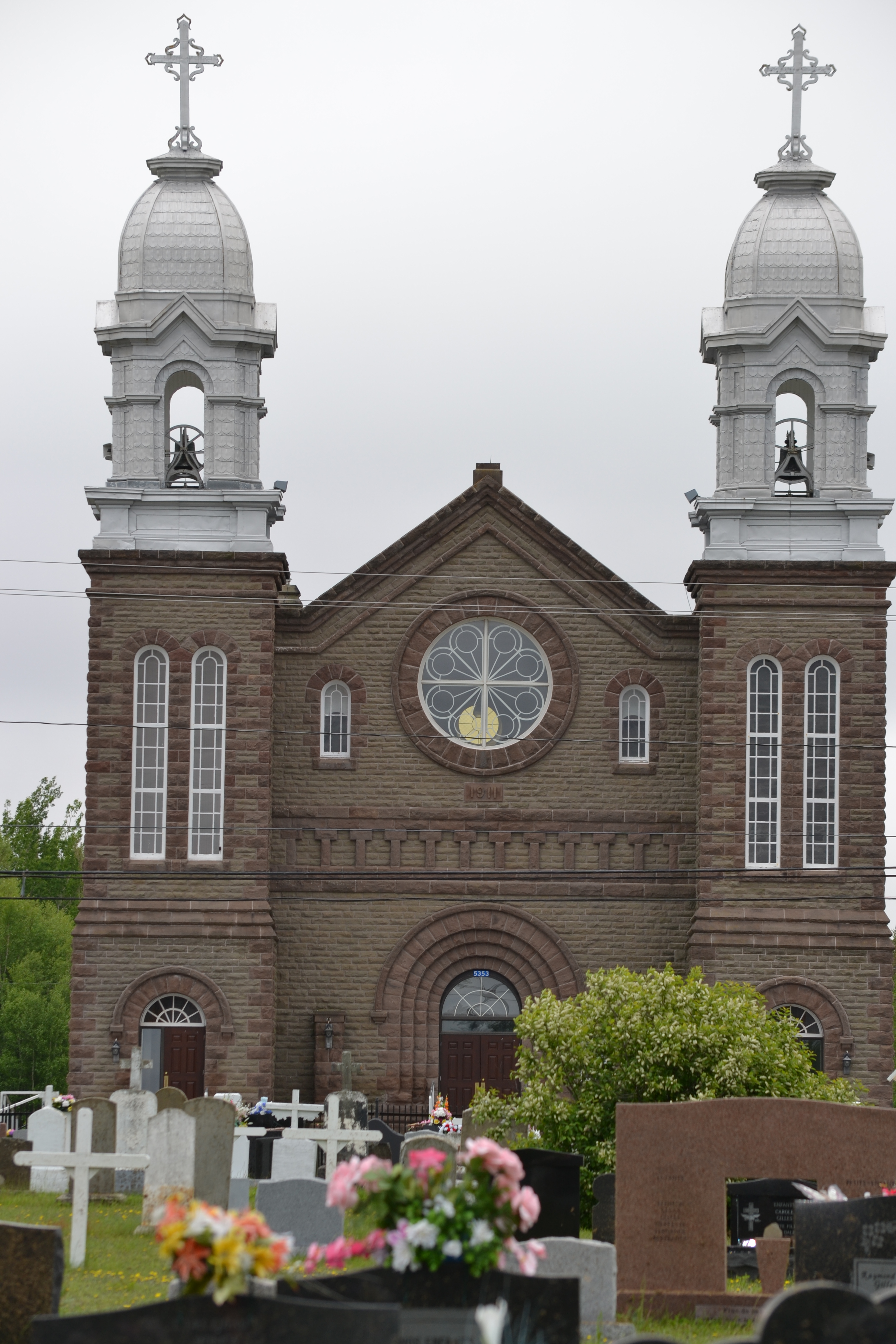
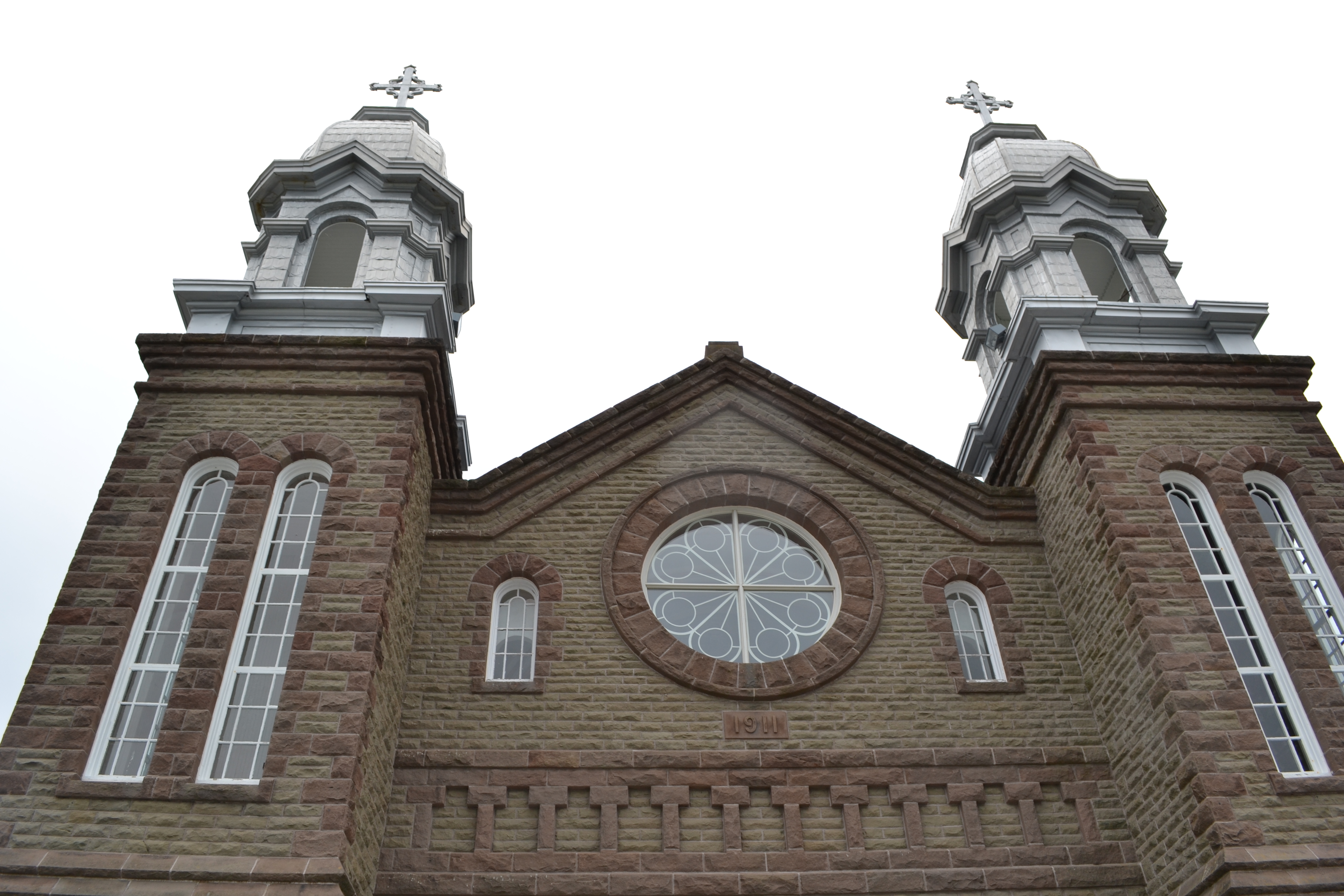
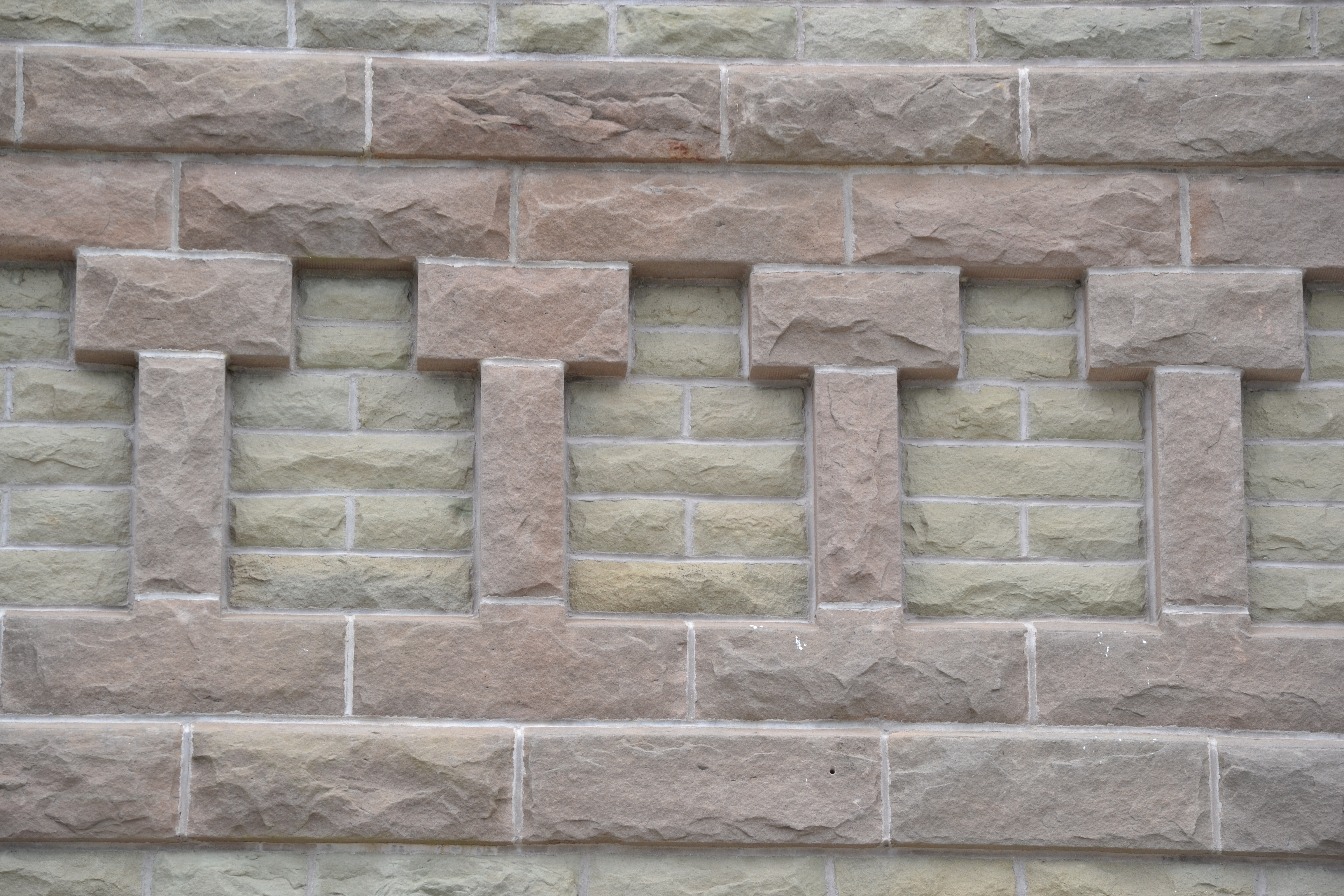
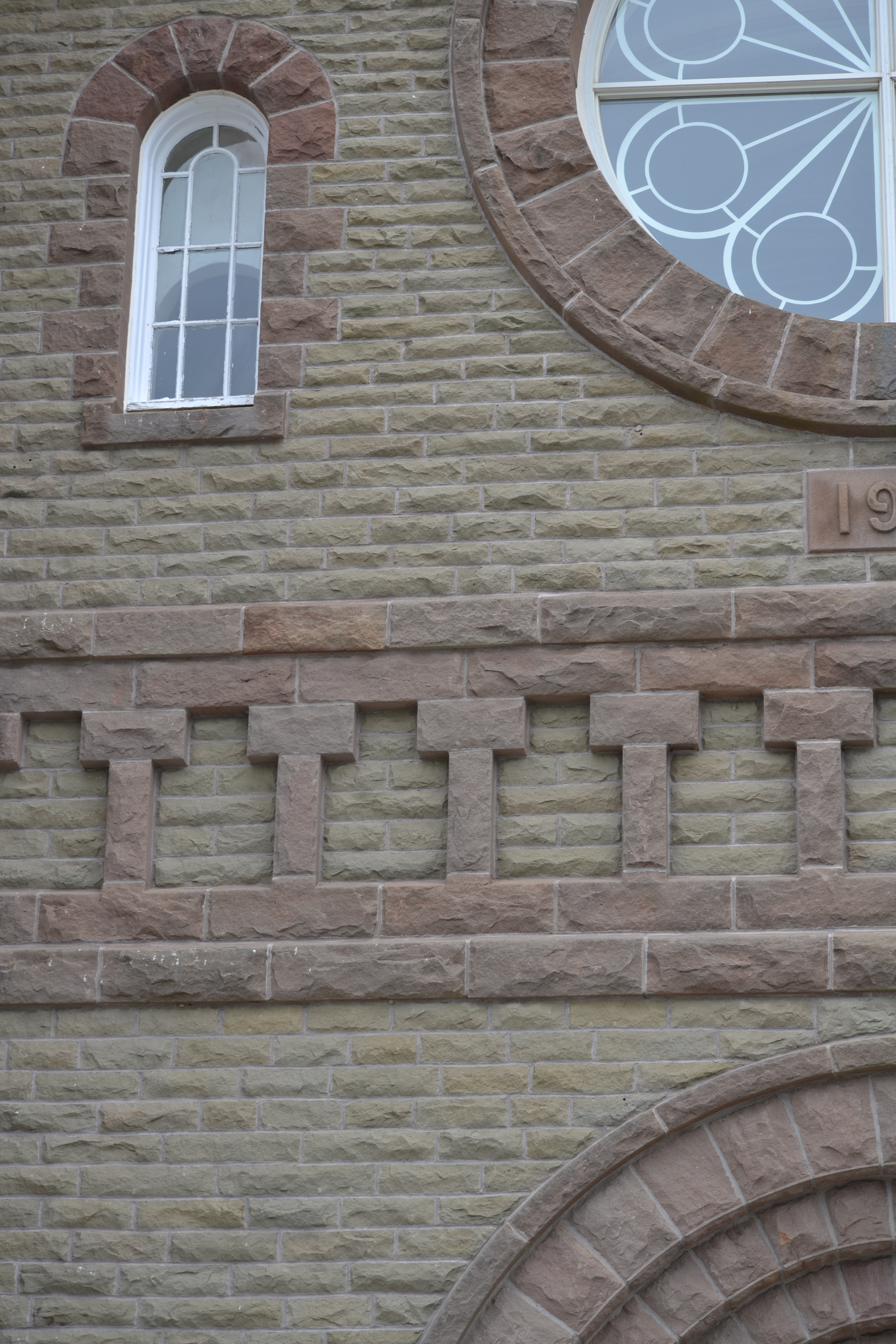
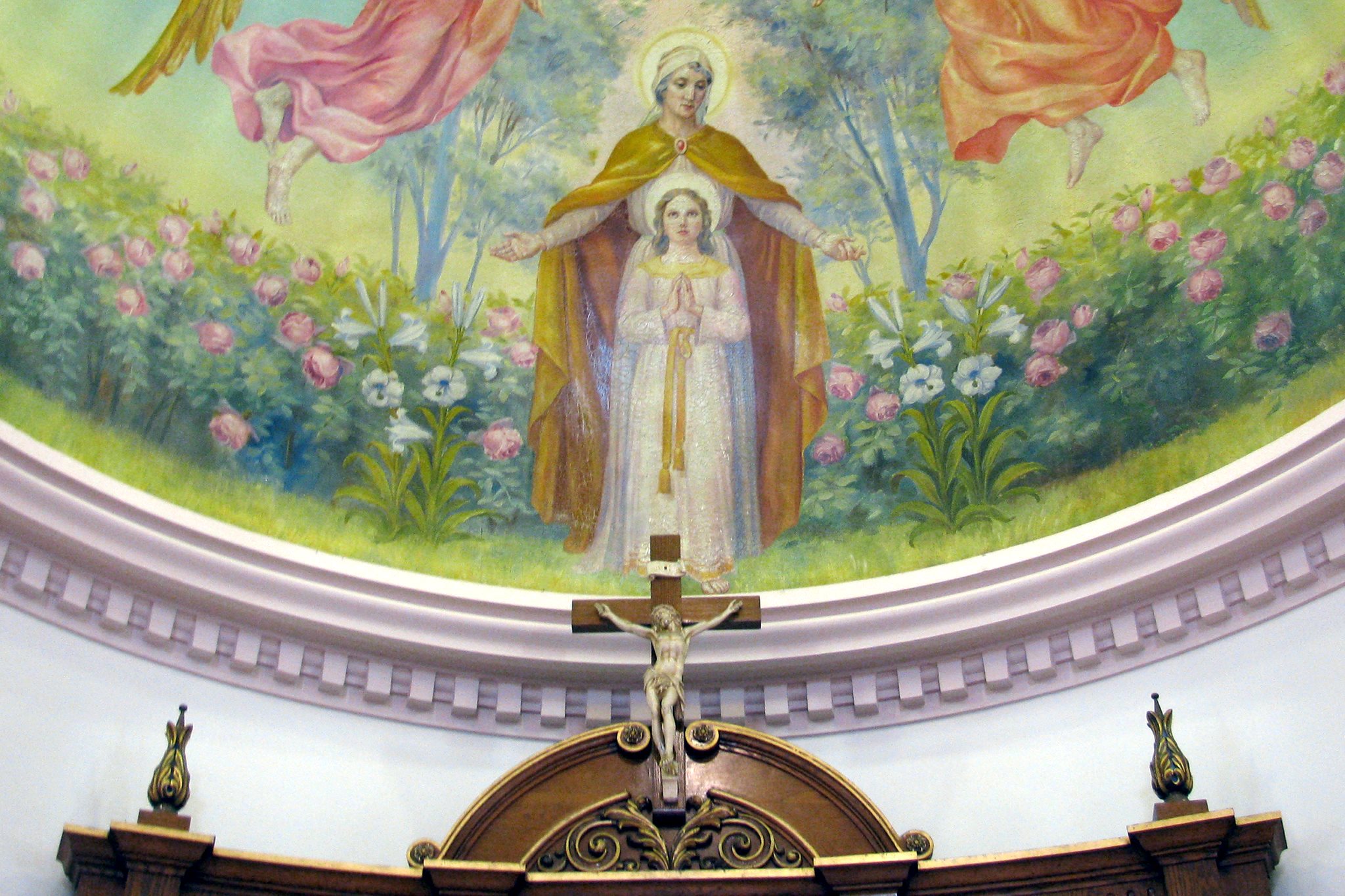
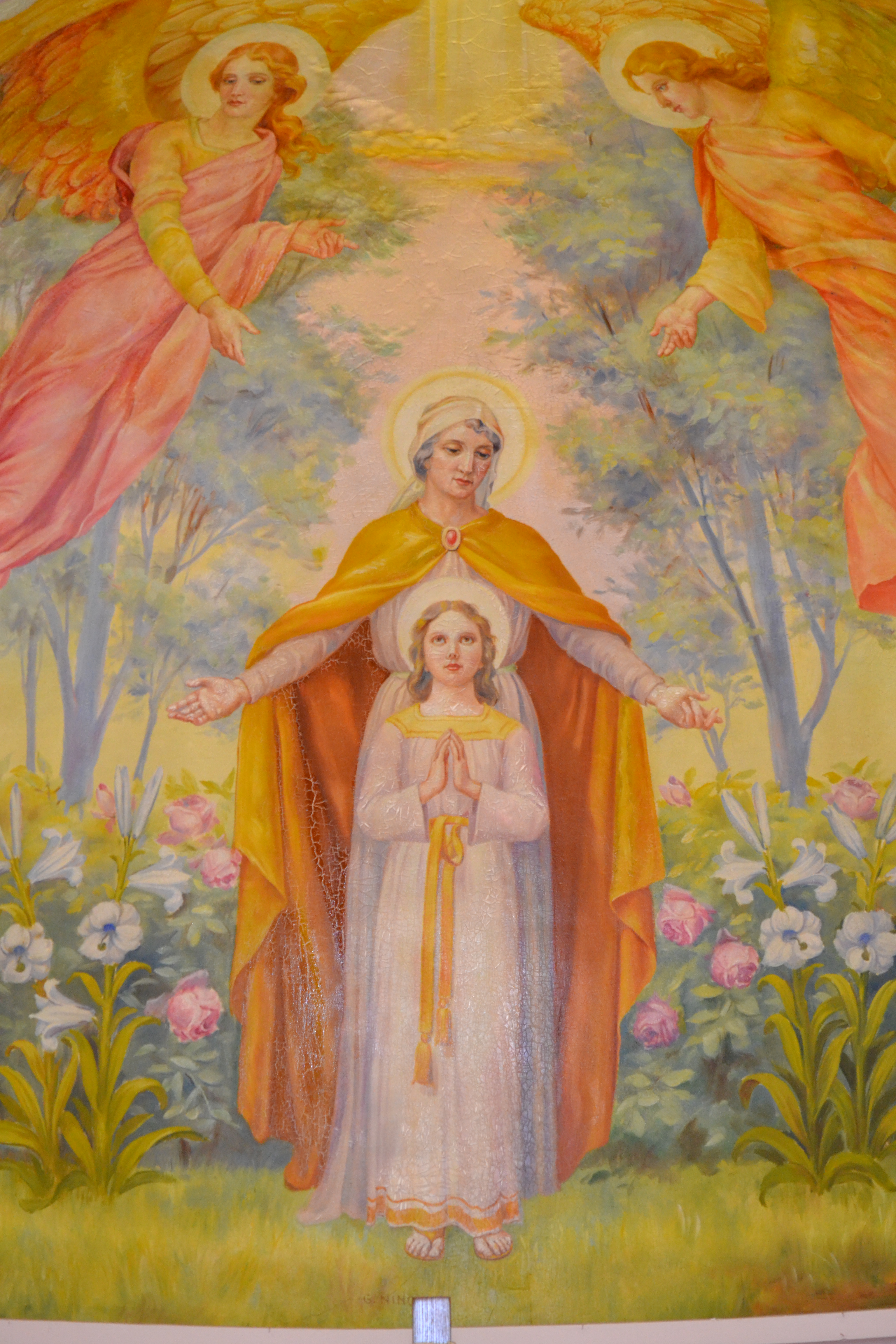
The artist behind the works in Sainte-Anne Church in Baie-Sainte-Anne. Guido Nincheri (born September 29, 1885, in Prato, Italy—died March 1, 1973, in Providence, Rhode Island) was a Canadian artist of Italian origin who specialized in religious stained glass and frescoes. He was perhaps the artist who produced the largest number of religious works in Canada during the 20th century. His stained glass windows and decorative works adorn some 200 buildings, mainly churches throughout Canada and in a number of New England states.

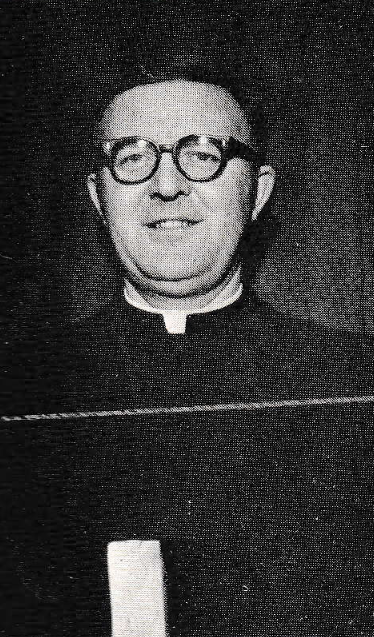
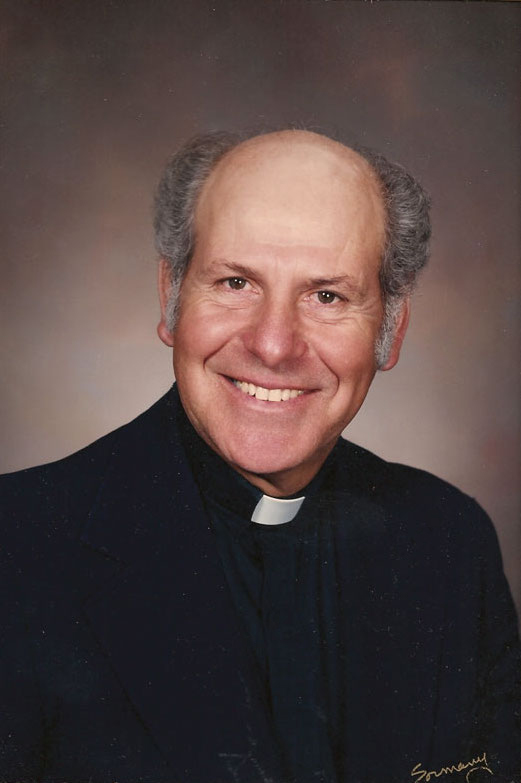
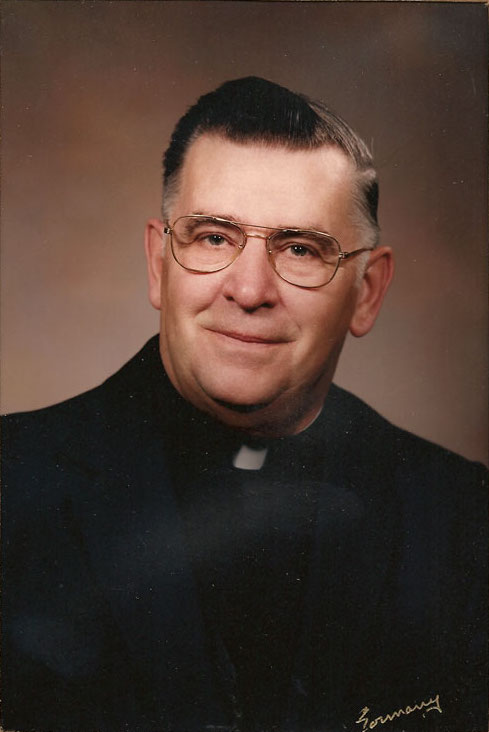
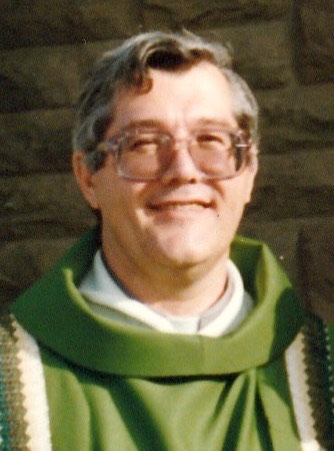
Father Yvon Arsenault
(?-1994)
(?-1994)
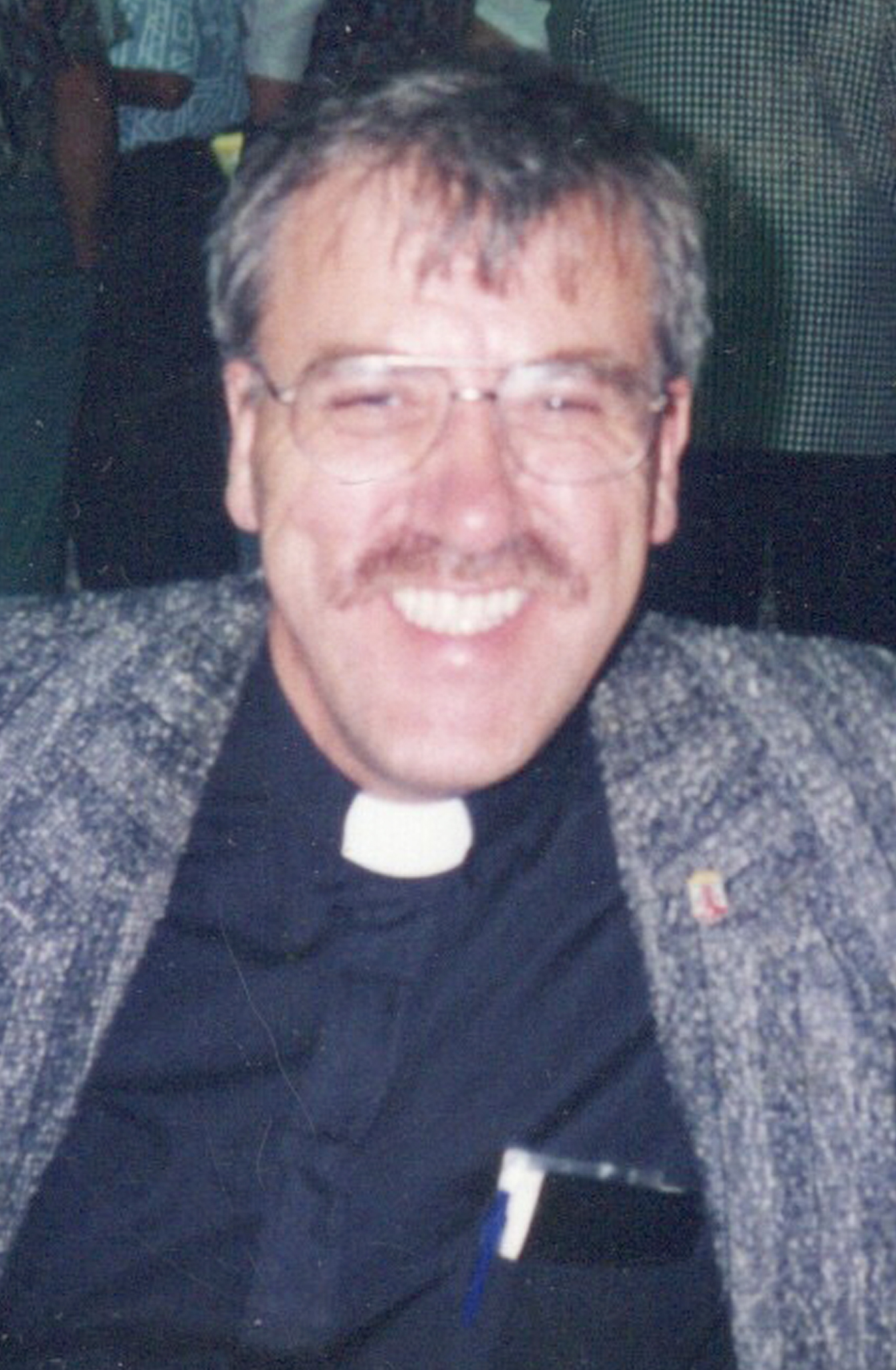
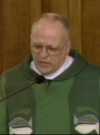
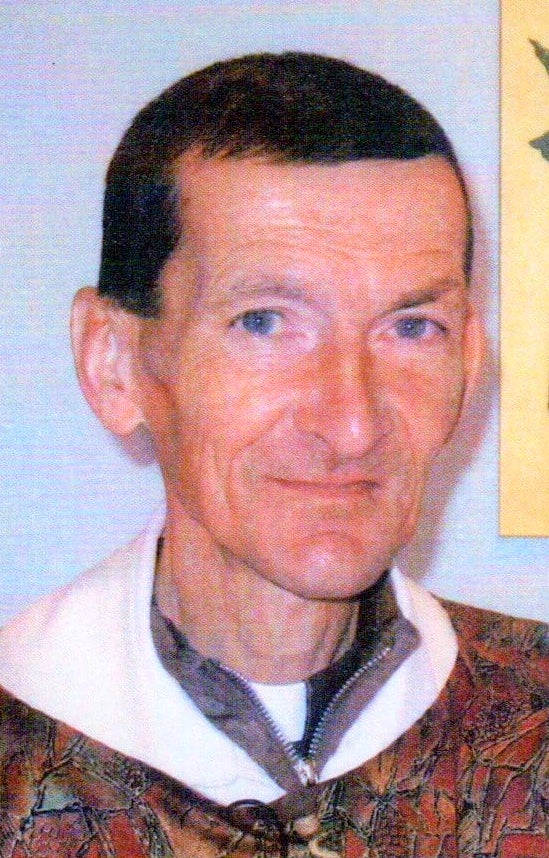

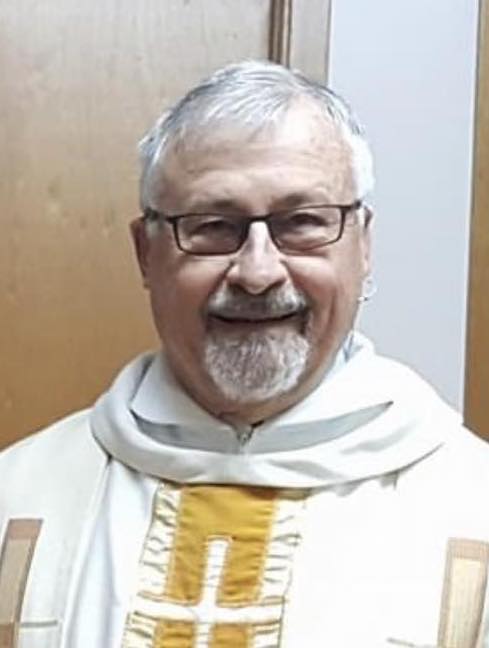
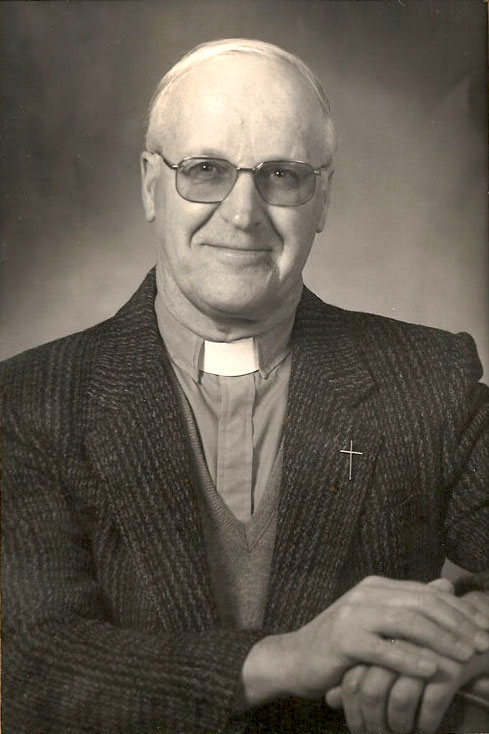
Father Gilbert Levesque
(?-?)
(?-?)
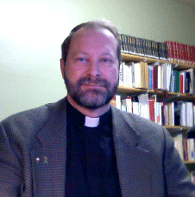
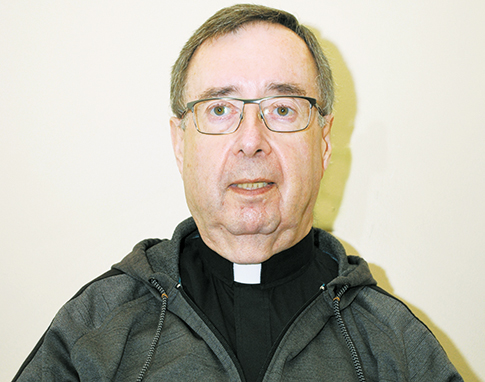
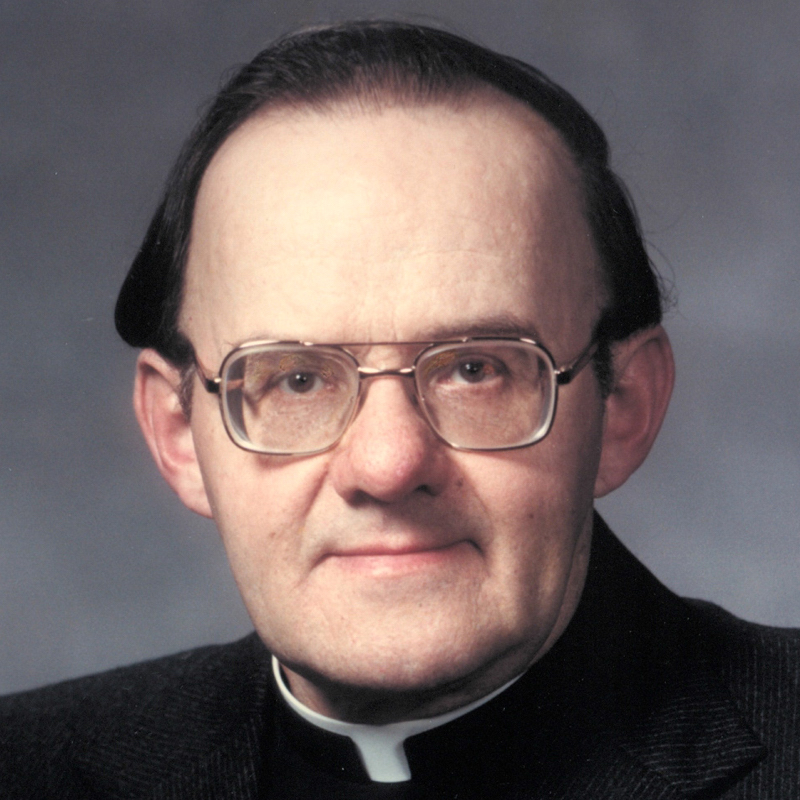
Father Jean Bélisle
(?-présent)
(?-présent)
AUDIOS
🔈 Regular Rosary
With Father Robert Savoie (French)
🔈 Glorious Mysteries
With Father Robert Savoie (French)
(Wednesday & Sunday)
🔈 Sorrowful Mysteries
With Father Robert Savoie (French)
(Tuesday & Friday)
🔈 Luminous Mysteries With
Robert Savoie (French)
(Thursday)
🔈 Joyful Mysteries With
Father Robert Savoie (French)
(Monday & Saturday)
VIDEOS
🎥 Christmas Mass (1999)
🎥 Seafood Festival Decorations (2007)
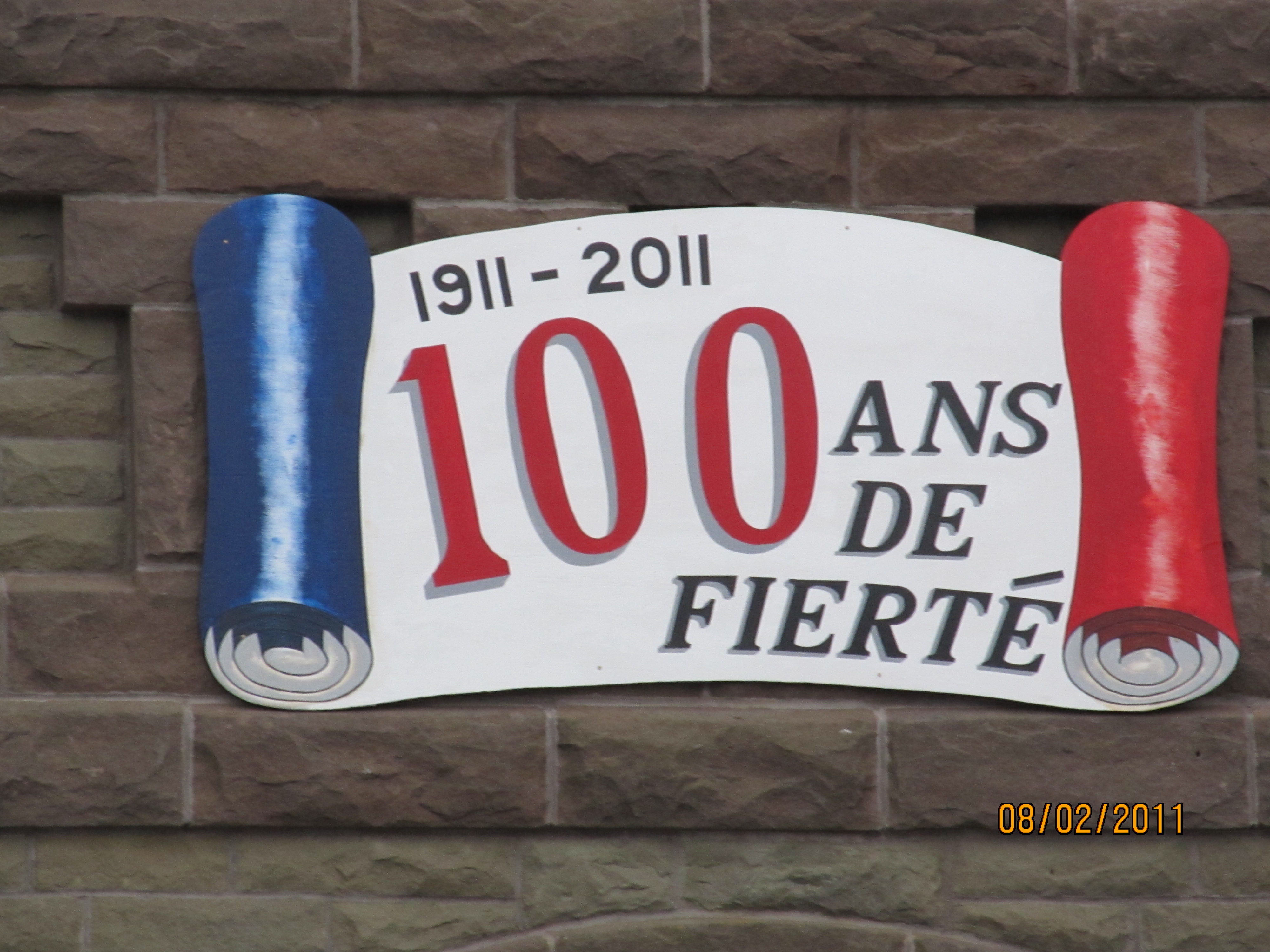
🎥 100th Anniversary Mass (7 août 2011)
Blandine Martin was born on May 10, 1941, in the village of Baie-Sainte-Anne. Blandine seems to have lived her entire life under the sign of water. The daughter, granddaughter, and great-granddaughter of fishermen, she knew the sea: beautiful and inviting on a fine summer day, bountiful and generous during the fishing season, devastating and cruel on a dark stormy day.
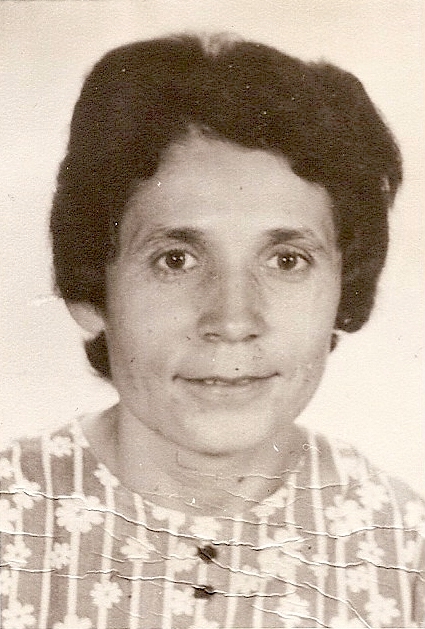
Her parents, Albénie and Marthe-Elise Martin, were bold and tenacious, but at the same time had hearts of gold. Blandine had inherited these virtues, which give an individual character but also make them vulnerable to suffering.
Blandine attended elementary school in Baie-Sainte-Anne, but received her high school diploma in Néguac in 1959. In the fall of that same year, she enrolled at the École Normale in Fredericton. She returned to Baie-Sainte-Anne a year later to teach ninth graders. In 1961, at the age of 20, Blandine entered the postulancy of the Sisters of Notre-Dame-du-Sacré-Cœur in St. Joseph, New Brunswick. It was then that she realized her dream of devoting herself to the Lord.
Between 1964 and 1970, Sister Blandine continued teaching in Kent County. From 1970 to 1972, she completed her training, first in Ottawa and then at the University of Moncton. During that last year, she became a missionary sister in Haiti, where she remained until the last day of her life on June 22, 1975.
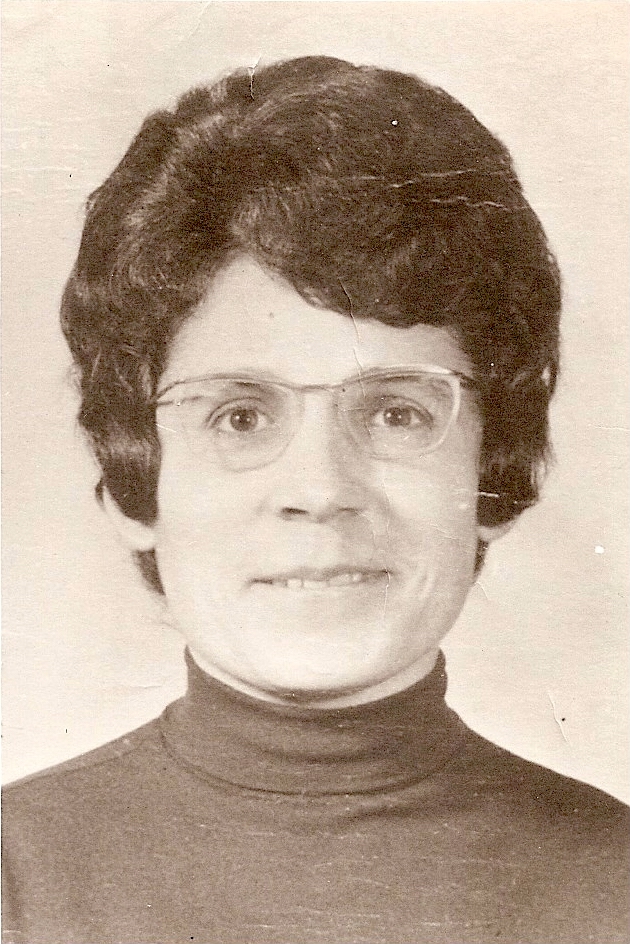
Of course, people recognized that she had certain flaws, like everyone else. It is said that a person possesses the qualities of their flaws. This was particularly evident in Sister Blandine; she always had a kind word for the people she lived with; she was determined to overcome every obstacle she encountered along the way; in Haiti, she was a missionary in the full sense of the word. The misery of these people, victims of the forces of nature, social inequalities, and unjust exploitation, pained her. “Even if we were poor at home, it's not the same thing,” she wrote in a letter to her congregation.
Her absence will be felt throughout the neighborhood where she lived. Upon learning of her death, a mother of three students expressed to Father Langneil the concern of all the parents: “Do you think, Father, that we will ever have another principal as devoted as Sister Blandine?”
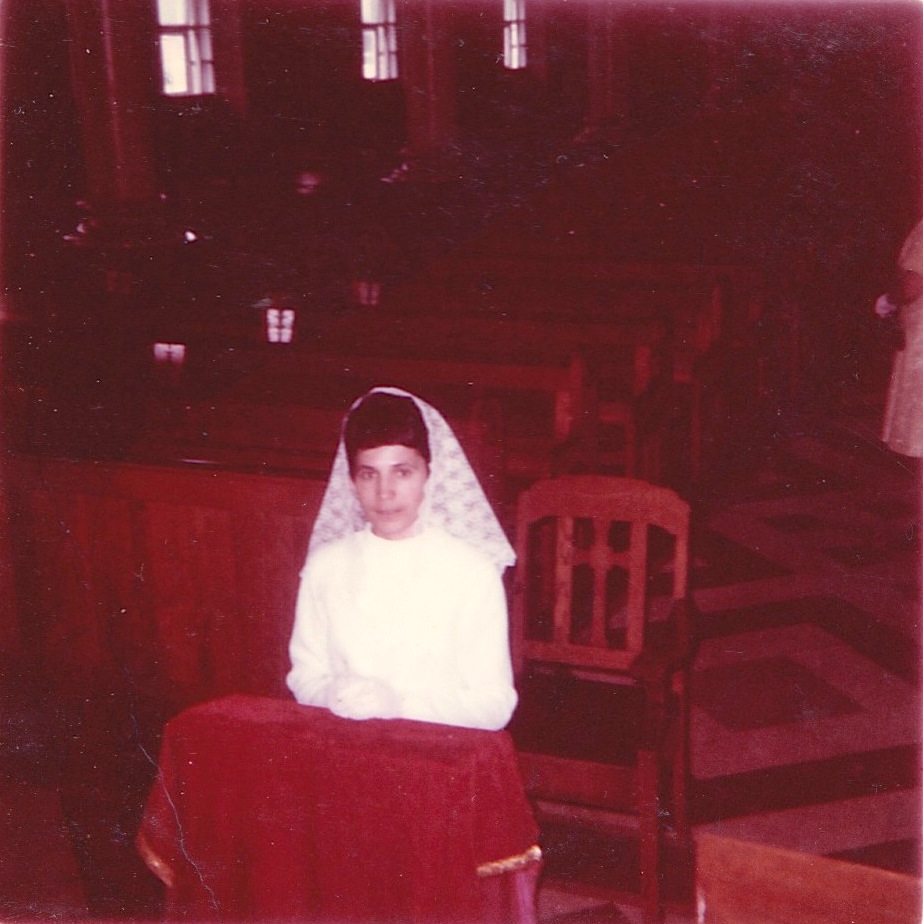
A large service was held for Sister Blandine in Haiti. After the ceremony, Father Langneil recounted a few anecdotes. The oldest instructor did the same. Then a nurse sang, “Farewell, Principal Blandine; farewell, dear principal...” She sang with such emotion that everyone burst into tears, parents and students alike; they all left the premises shouting and crying.
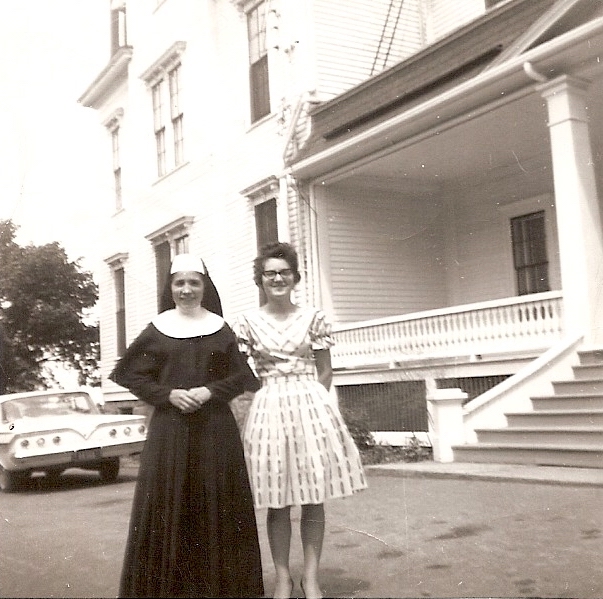
The veil has been lifted for Sister Blandine, the moment of truth has arrived. She lived true Hope. Every day, she worked with the Risen One, feeding a hungry brother, dispensing the word of Truth to the little ones and the poor. She is now inhabited by a Presence that fills her with peace and love. Through her mission in Haiti, Blandine unwittingly prepared a beautiful crown in heaven.
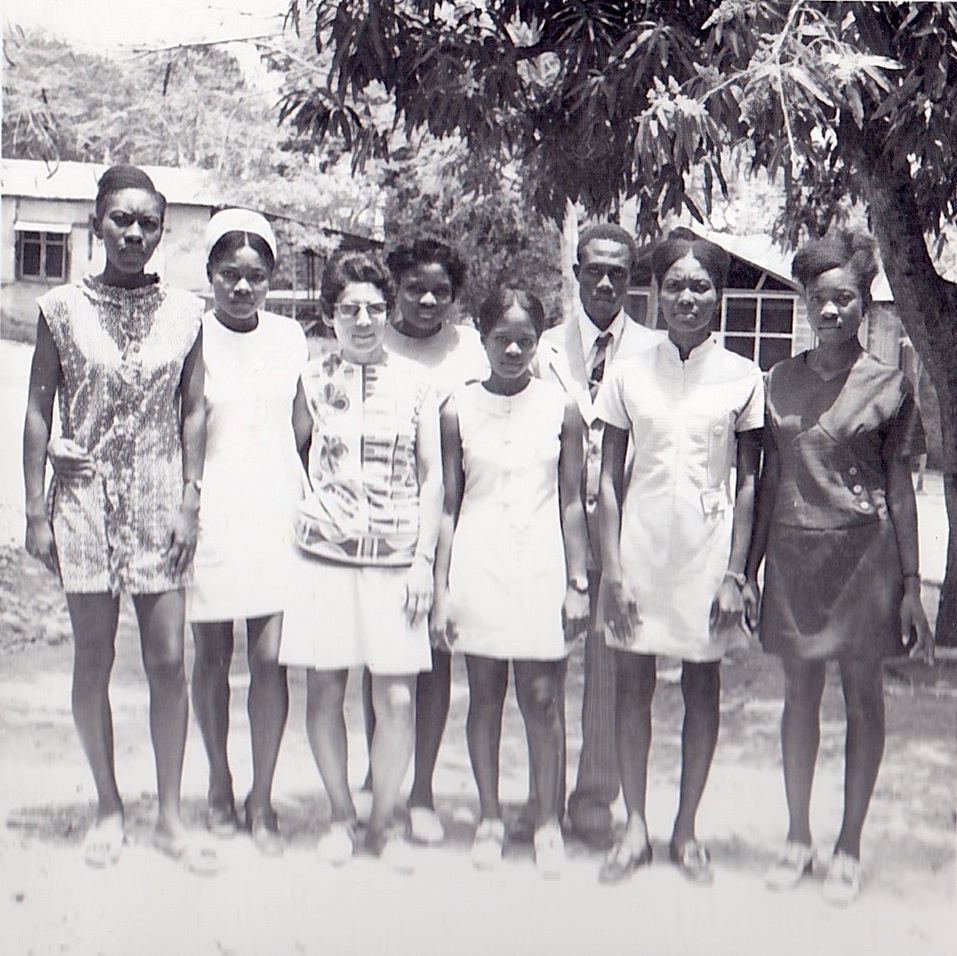
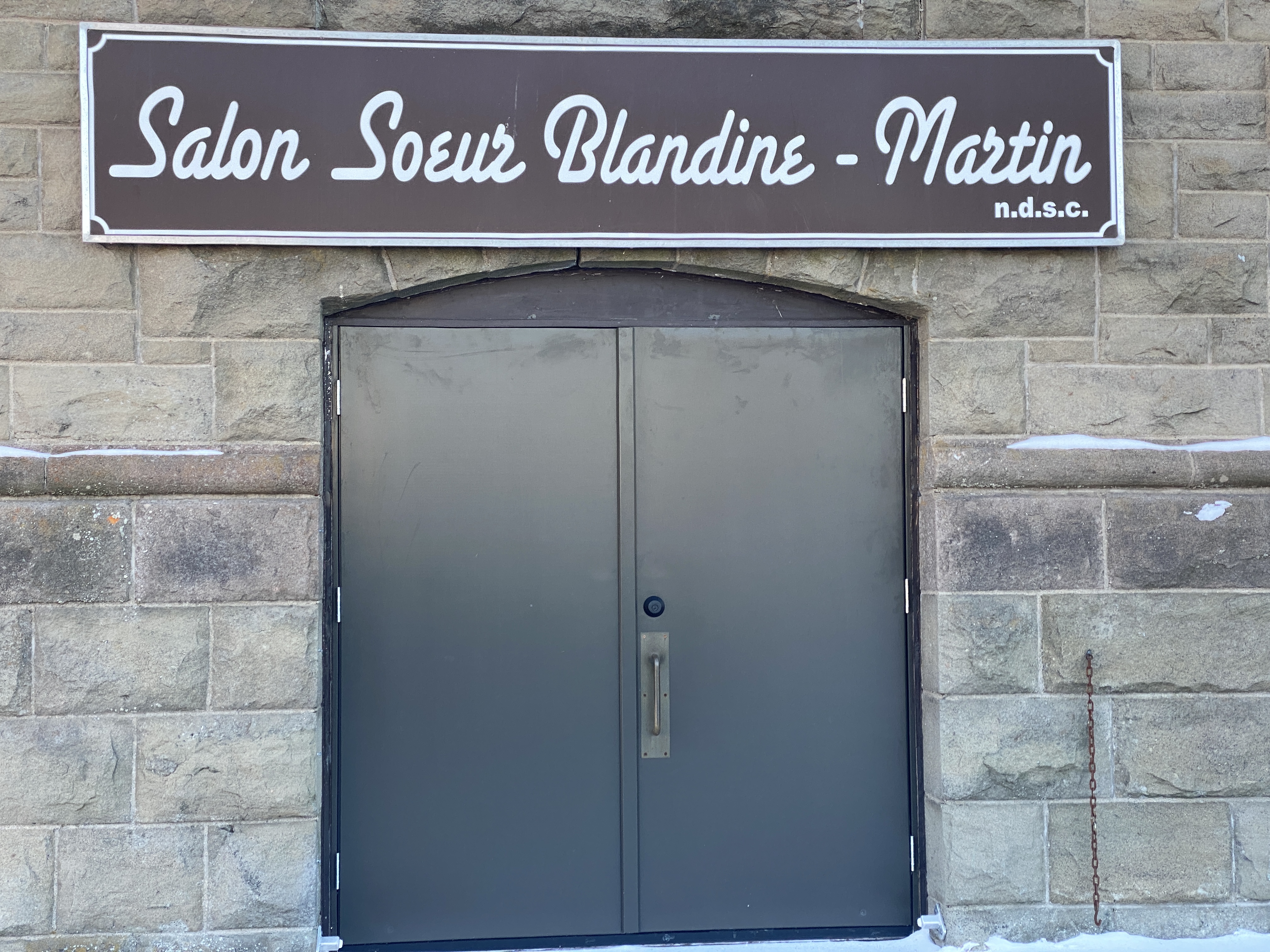
Blandine left her mark on the hearts of the parishioners of our community. That is why they chose to name the room in the basement of the church: Sister Blandine Martin Room. (July 2012)
PRESBYTERY
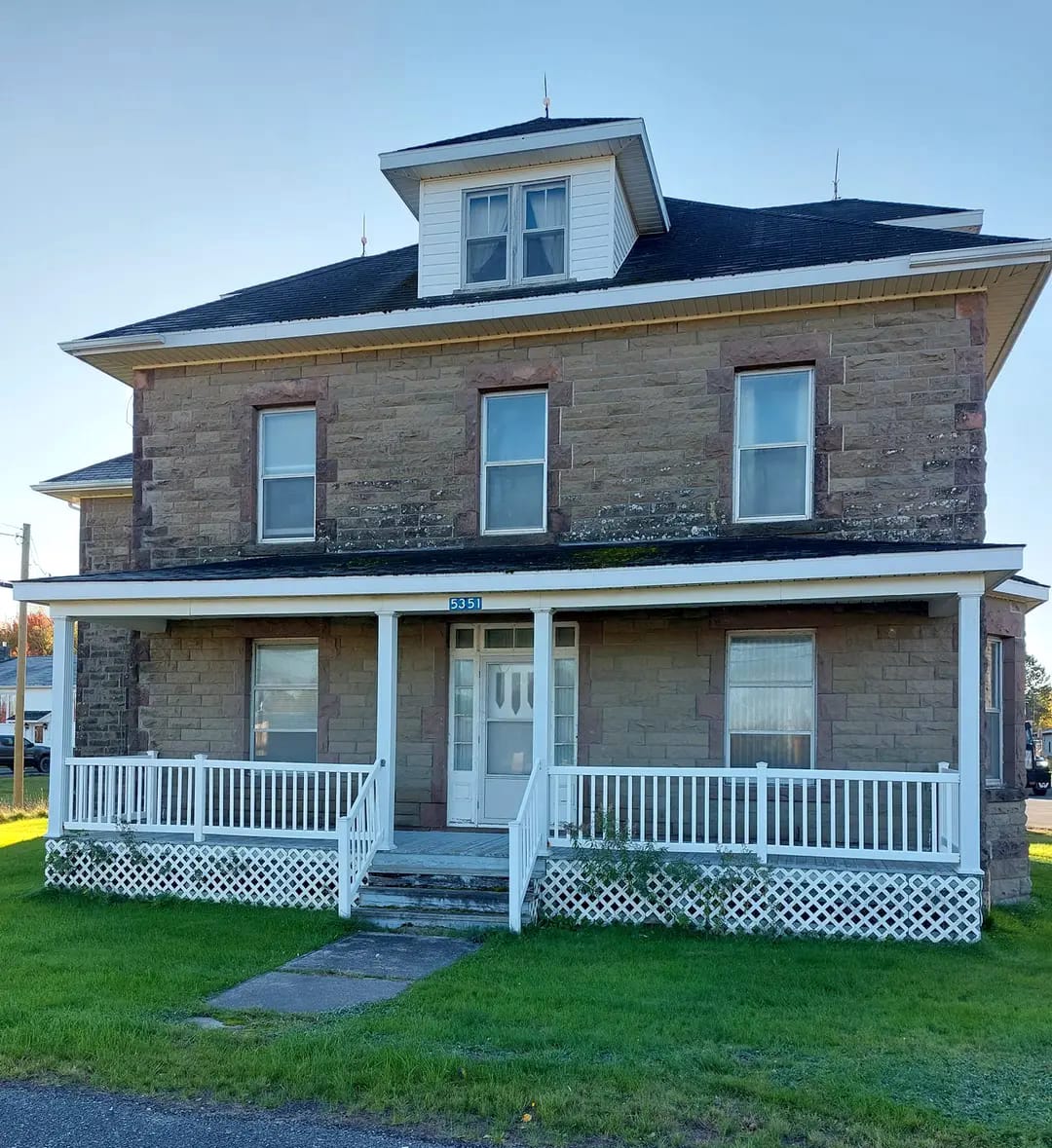
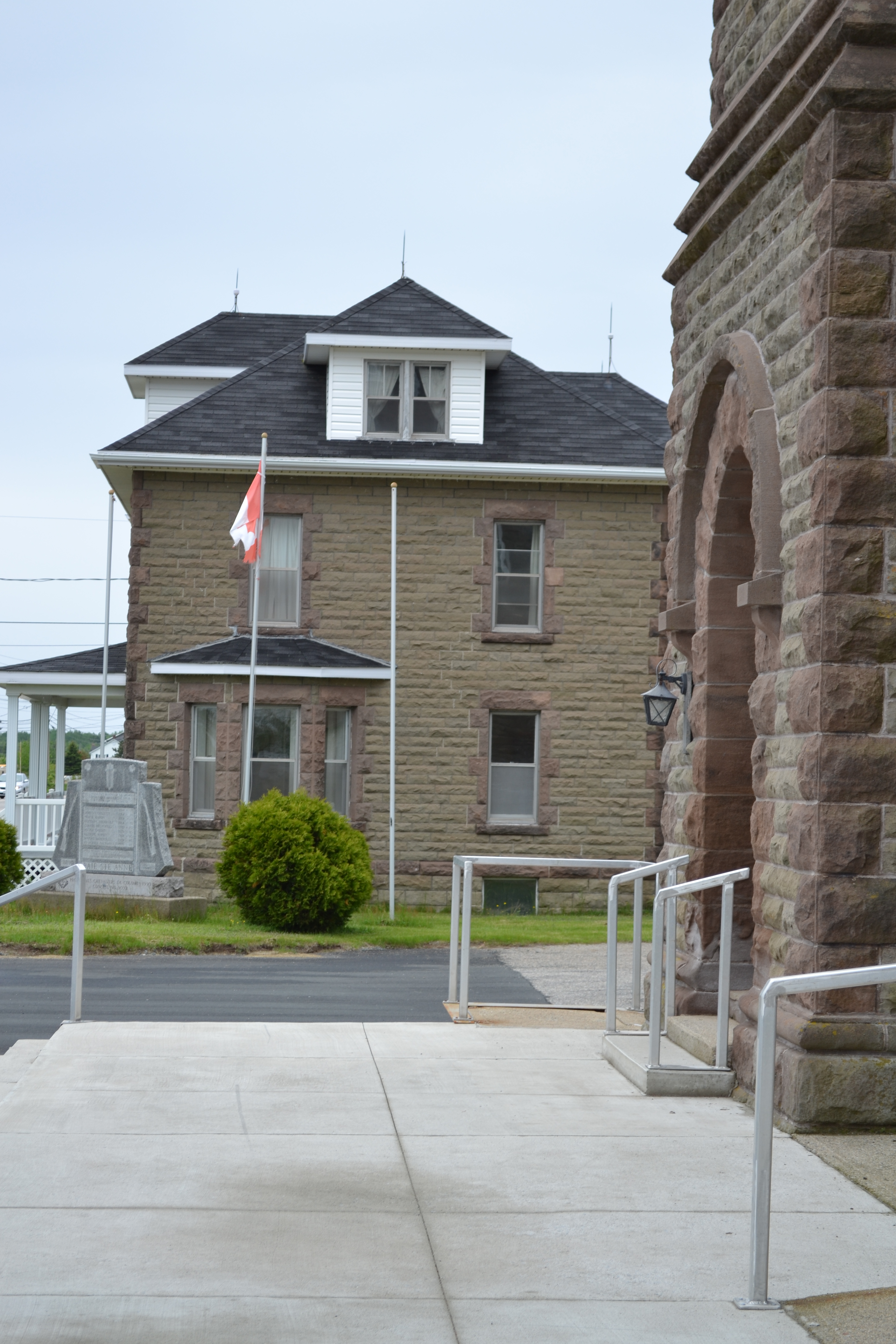
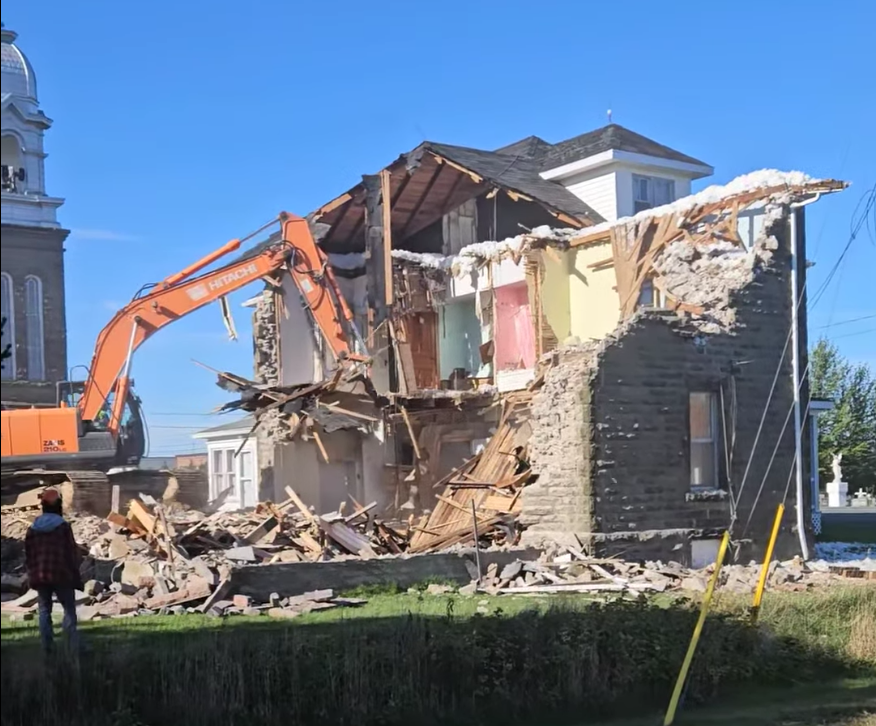
It was demolished on October 17, 2024.
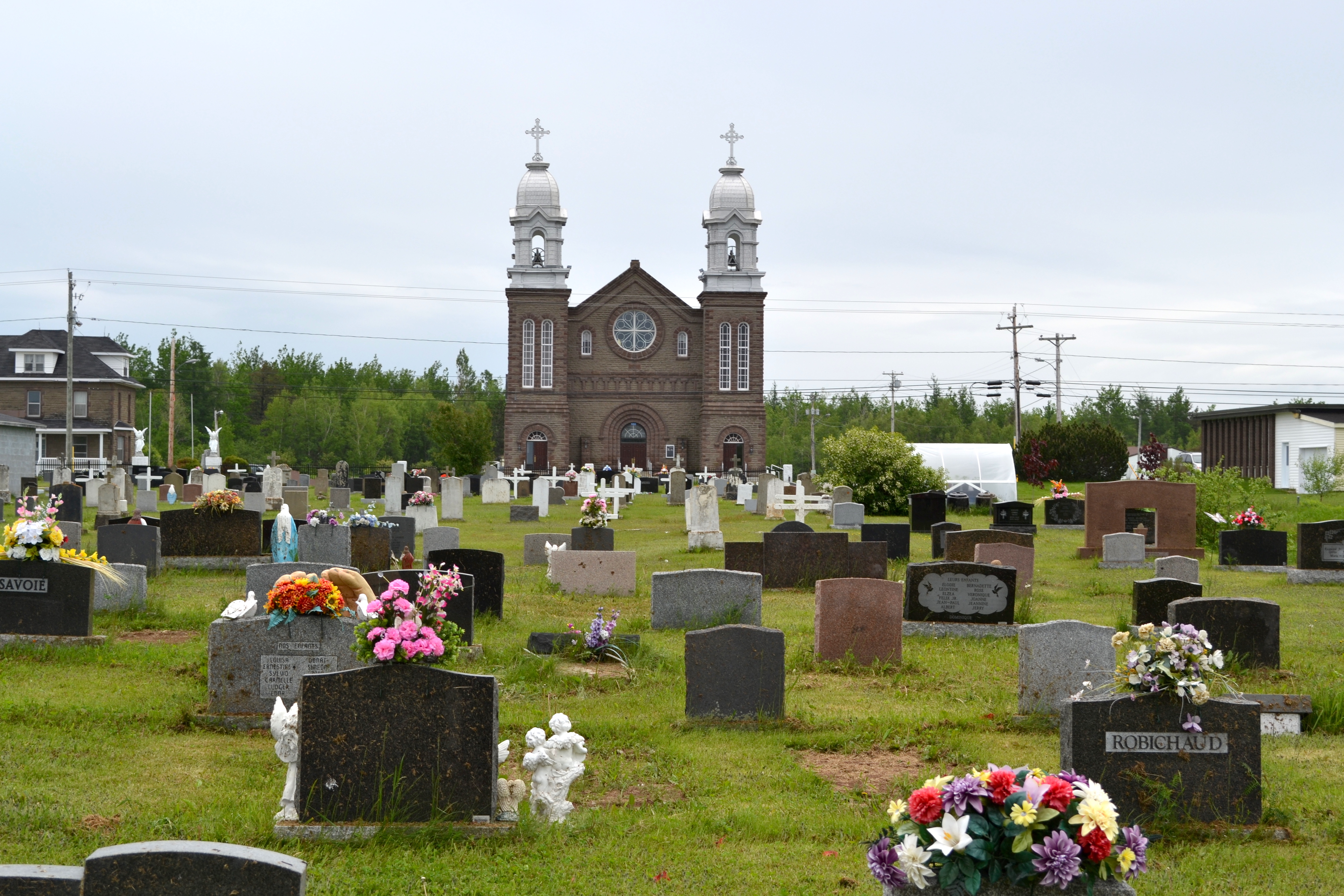
CEMETARY
NUNS' CONVENT
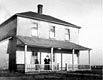
(1950-1958)
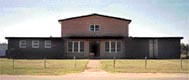
(1959-1999)
MISCELLANEOUS
PARISH NEWSLETTERS
Unité pastorale Marie Étoile de la mer